REVIEW · SEOUL
Private Hiking to Bukhansan & Korean Style Spa(Include Lunch)
Book on Viator →Operated by Outdoors Korea · Bookable on Viator
That first mountain air is a reset button. This private day mixes Bukhansan National Park hiking with the Seunggasa temple stop and a traditional Korean spa after lunch, with guides such as Benny or Chance helping you make sense of what you’re seeing.
I like the balance here: real outdoor time plus a real cultural layer, not just a scenic walk. I also like that you’re in an air-conditioned vehicle with pickup offered, then you get lunch and a spa included so the day feels complete.
One thing to note: even on the Gugi-dong route (described as relatively easy), expect stairs, rocks, and some uphill effort—so comfortable shoes and a moderate fitness level really matter.
In This Review
- Key things to know before you go
- Why this Bukhansan hike feels like a real Seoul day
- Pick up, ride, and the pace you don’t have to worry about
- The Gugi-dong course: what the hike is really like
- Stop at Seunggasa: temple quiet on a mountain you can feel
- Lunch near Bukhansan: the fuel part that actually matters
- Korean spa time: what to expect from a jjimjilbang-style finish
- Guides make or break the day (and names you may hear)
- Price and value: why $182 can make sense here
- Logistics you should plan for (without making it stressful)
- Who should book this (and who should skip)
- Should you book this Bukhansan hike and spa day?
- FAQ
- How long is the private hiking to Bukhansan and Korean spa tour?
- Is pickup offered?
- What is the hiking route like?
- Do you visit a Buddhist temple during the hike?
- Who stays at Seunggasa?
- Is lunch included?
- Is the Korean spa part included?
- What fitness level is required?
- Is this tour private?
- What is the cancellation policy?
Key things to know before you go
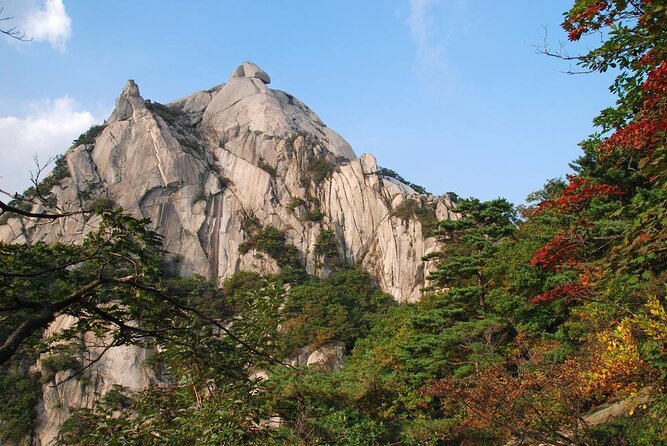
- Private group only: it’s just your group, so the pace can match your comfort level.
- Gugi-dong course is the plan: about a 2-hour hike on a commonly used Bukhansan route.
- Seunggasa temple visit: a Buddhist temple with a 1,000-year story and lady monks staying there.
- Lunch is included: you’ll eat Korean food at a local place near Bukhansan after the hike.
- Jimjilbang-style spa time: a Korean-style sauna/spa is part of the package for recovery.
- Duration is long enough to plan for a full day: about 7 hours total, not a quick half-trip.
Why this Bukhansan hike feels like a real Seoul day
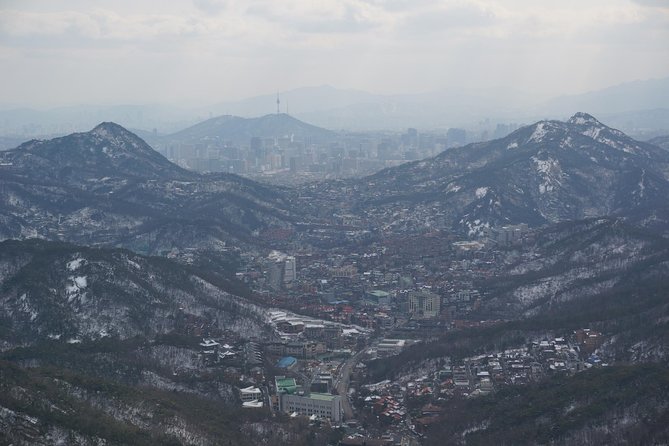
Bukhansan is close to Seoul, but it still feels like you’re escaping the city. The best part of this experience is how it gives you structure: you hike a specific course, stop at Seunggasa for the temple story, eat lunch nearby, then finish with a Korean spa ritual.
I also like that it’s a private format. That changes the whole vibe. Instead of rushing with a crowd, your guide can slow down for breaks, explain what you’re seeing in plain language, and keep the day moving at a pace that makes sense.
Still, don’t treat this as a stroll. Even when the trail is called easy, you’re walking in mountain terrain. If you’re the type who gets tired on stairs or rocky ground, plan for effort, bring water, and wear shoes with grip.
You can also read our reviews of more tours and experiences in Seoul.
Pick up, ride, and the pace you don’t have to worry about
The tour runs about 7 hours and includes pickup (when offered by your booking). You’ll travel in air-conditioned transportation, which matters in Korea’s hot summers and cold, windy shoulder seasons.
This matters for value. A lot of “hike days” in Seoul turn into a logistics puzzle. Here, you spend less energy figuring out transit and more time on the mountain, temple, lunch, and spa.
One practical detail: the tour is designed for people with at least a moderate fitness level. Comfortable dress and walking shoes are required. If you’re unsure, think about whether you can handle a couple of hours of uphill walking plus stairs without needing to stop every five minutes.
The Gugi-dong course: what the hike is really like
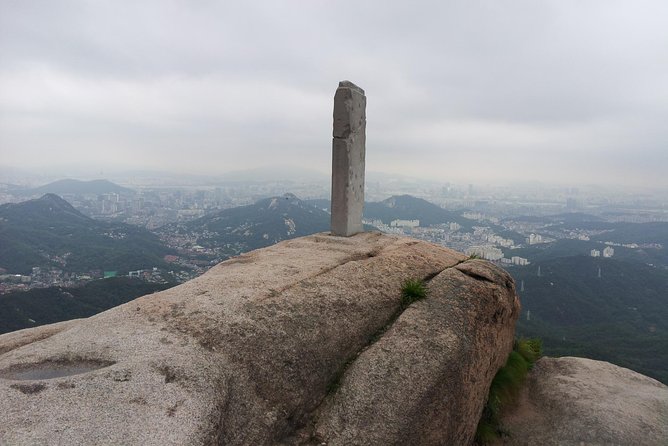
The route is the Bukhansan Gugi-dong course, a path Koreans use often. The planned hiking segment is about two hours along a relatively easy trail, which makes it a good match if you want a mountain experience without going full endurance-mode.
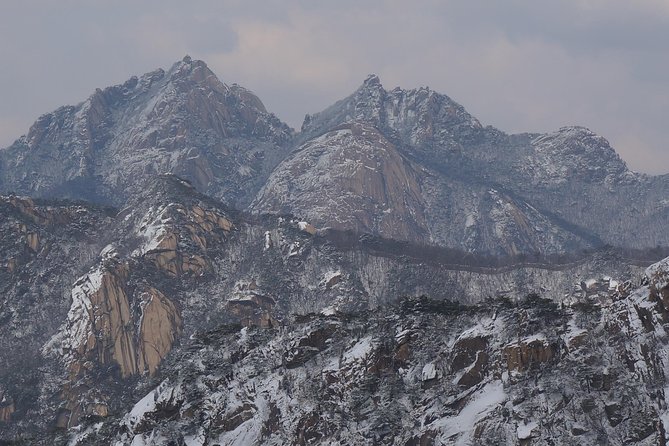
Now, here’s the reality check: the mountain always has its personality. In practice, people have described the hike as around 3 miles with noticeable elevation change, plus inclines and lots of steps. You may also see rocky sections that require careful footing.
The good news is that guides can adjust. Some people have mentioned getting routes that fit beginner to intermediate hikers, while still ending up with strong views. So if you tell your guide your comfort level early, you’ll likely get a smoother day.
Tips that fit the terrain:
- Wear walking shoes with grip; rocky surfaces are part of the deal.
- Bring water and take breaks when your guide suggests them.
- If you’re heat-sensitive or stair-phobic, pace yourself and don’t try to match a fast group (because it’s private, you’re not forced to).
Stop at Seunggasa: temple quiet on a mountain you can feel
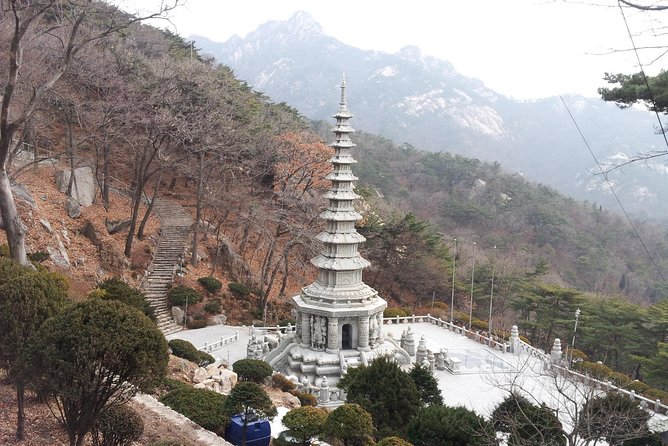
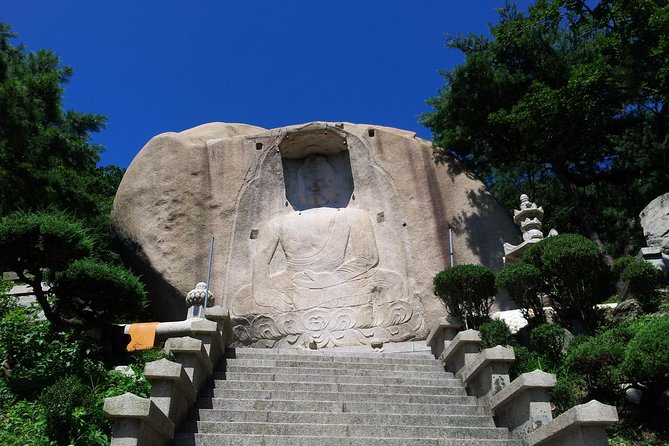
After hiking, you’ll visit Seunggasa, a Buddhist temple described with a 1,000-year history. The visit is not just a photo stop. It’s tied to the way Buddhism has lived with Korean mountain culture for a long time.
A standout detail in this tour is the note about the temple’s community: it’s a place where lady monks stay. That’s a unique element you won’t get on every mountain temple visit in the area.
The way guides explain this is a big reason people rate the experience so highly. Many comments focus on stories that connect religion, daily life, and how Koreans view the mountain as more than scenery. Even if you don’t know Buddhism going in, you’ll usually leave with a clearer picture of what Seunggasa represents.
Practical takeaway: plan to pause. Temples slow you down naturally. Wear layers and keep your time realistic so you don’t feel rushed while you’re standing in the quieter spots.
Lunch near Bukhansan: the fuel part that actually matters
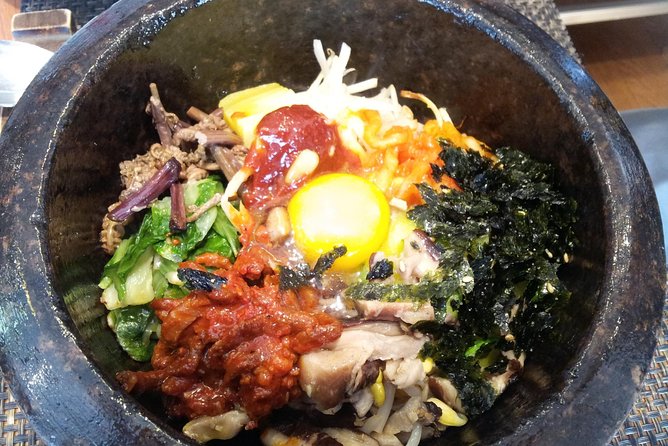
After the hike, you eat Korean lunch at a local restaurant near Bukhansan, usually in the downtown area connected to the mountain zone. This is an underrated part of good hiking tours. The difference between feeling good and feeling wiped out often comes down to a meal that hits the right spot in the day.
People have praised the food as a highlight, and there’s a simple reason: after walking up and down, anything hot and filling feels like a win. If you’ve been eating only street food or convenience snacks, this is the day you balance it out.
The tour also tends to work well for dietary preferences because your guide typically asks what you want to eat. One review specifically mentioned that the guide found a place that matched what the person asked for. If you have preferences, tell your guide clearly during the day so the restaurant choice fits you.
Korean spa time: what to expect from a jjimjilbang-style finish
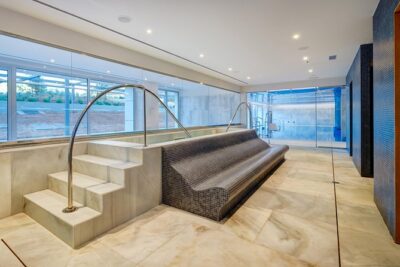
The final act is a Korean-style sauna/spa, a refreshing end to the hike. In Korea, spas are more than a bath. They’re a social and recovery space, and for many first-timers the experience feels new in a good way.
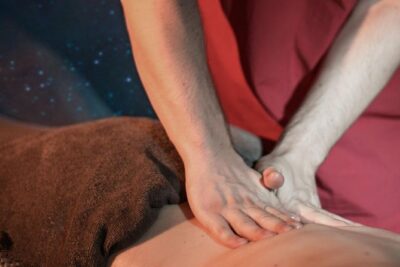
The key reality: you should expect some guidance from staff during spa activities. One review described a body scrub request as part of the spa flow. Even when staff don’t speak English, they often use gestures and body language to guide you.
So don’t treat it like a silent hotel spa. Think of it as a public ritual. The best approach is simple:
- Go in with a flexible mindset.
- Follow instructions when staff indicate a scrub or step.
- If you feel unsure, ask your guide to explain what’s happening.
After a mountain day, this stop often feels like the most logical part of the itinerary. You get warm, loosen up, and then your muscles stop complaining for a while.
Guides make or break the day (and names you may hear)
This tour leans hard on commentary—what you see, why it matters, and how it fits Korean culture beyond the trail. The guide role shows up again and again in ratings.
From the names people have tied to excellent days:
- Benny gets credit for stories that connect history and even pop culture, with a comfortable vibe for solo visitors.
- Chance is mentioned for friendliness and for taking care of safety, especially during challenging weather like winter hikes.
- Jimmy is praised for being engaging and easy to talk with, and for helping solo travelers feel at ease.
- Sophia comes up for guiding beginner to intermediate hikers along a suitable route while sharing nature and landmark explanations.
- Andy is praised for finding food that matches what the person wanted after the hike.
One reason this matters: a private hike without a strong guide can turn into just walking. Here, you’re paying for interpretation—so Seunggasa makes sense, the mountain feels meaningful, and the lunch and spa feel connected to the day rather than random add-ons.
Price and value: why $182 can make sense here
At $182 per person, you’re not just buying a trail day. You’re buying a bundle:
- private guiding and commentary
- pickup/transport in an air-conditioned vehicle (when offered)
- a planned hike route in Bukhansan National Park
- a temple visit at Seunggasa
- a traditional Korean lunch
- Korean-style spa time afterward
- a mobile ticket, plus group-discount options
Hiking and spa access alone can add up quickly in Seoul once you factor in transport and guide time. The value here is that the day is “all in one”: you don’t have to coordinate the temple stop, meal, and spa separately.
The only reason the price might feel high is if you’re already comfortable building this day yourself and you don’t care about guided context. But if you want the whole flow handled, it’s priced like a convenience plus cultural explanation package.
Also, this tour is booked on average 31 days in advance, which is a good sign for demand. If your dates are fixed, don’t wait until the last week.
Logistics you should plan for (without making it stressful)
This experience is designed for people who can handle a moderate hiking day. It’s also described as being near public transportation, which can matter if pickup isn’t available for your exact location or if you’re checking backup transit options.
Dress and footwear are not optional. Bring comfortable walking shoes for rocky and stair-heavy sections. In winter, people have specifically mentioned it as a first-time mountain hike that still worked with a caring guide, so it can be a real option in colder months—but dress for the weather.
Finally, remember it’s a private tour/activity. That’s great for comfort, but it also means you’re responsible for sharing your energy level. If you’re tired easily, say so early so the guide can match the route.
Who should book this (and who should skip)
This tour is a strong fit if you want:
- a shorter mountain hike with temple culture built in
- a guided day that connects what you see to Korean life
- an included lunch and spa recovery stop
- a private format where solo visitors can feel supported
It’s not the best fit if:
- you’re expecting a flat walk (stairs and inclines are part of Bukhansan)
- you want zero physical effort
- you don’t like the idea of spa routines where staff might guide you through body scrub steps
If you’re somewhere in the middle—beginner to intermediate, or you just want a manageable workout with cultural meaning—this fits well.
Should you book this Bukhansan hike and spa day?
If your goal is a complete Seoul escape—mountain air, a meaningful temple visit at Seunggasa, Korean lunch near the mountain, then spa recovery—this is a smart booking. The private setup and the guided storytelling are what turn the day from exercise into something you’ll remember.
I’d book it if you:
- want an easy-to-moderate hiking day (with the realistic awareness of stairs)
- care about learning what you’re seeing at Seunggasa
- want lunch and spa handled for you
- value a guide who can keep the day comfortable for your pace
I’d skip or rethink it if you’re injury-prone on stairs, hate rocky footing, or you already know you’ll refuse any spa body scrub guidance. In that case, you might prefer a simpler sightseeing plan.
In short: this is one of those Seoul day trips that actually earns its time.
FAQ
How long is the private hiking to Bukhansan and Korean spa tour?
It runs about 7 hours.
Is pickup offered?
Yes, pickup is offered.
What is the hiking route like?
You hike to Bukhansan Gugi-dong course, with about 2 hours along a relatively easy trail.
Do you visit a Buddhist temple during the hike?
Yes. You’ll visit Seunggasa, a Buddhist temple with a 1,000-year history.
Who stays at Seunggasa?
The tour description notes that lady monks stay at the temple.
Is lunch included?
Yes. You eat a traditional Korean lunch during the tour.
Is the Korean spa part included?
Yes. After lunch, you go to a Korea-style sauna/spa to refresh.
What fitness level is required?
The tour is for people with a moderate physical fitness level. Comfortable dress and walking shoes are recommended.
Is this tour private?
Yes. It’s a private tour/activity, and only your group participates.
What is the cancellation policy?
You can cancel for a full refund up to 24 hours before the experience starts. If you cancel less than 24 hours before, the amount paid is not refunded.