REVIEW · SEOUL
Discover Round Korea in 7days: All-Inclusive Experience
Book on Viator →Operated by Hanatour ITC (하나투어 아이티씨) · Bookable on Viator
Seven days, zero shopping stress. This Round Korea trip strings together UNESCO sites, classic food stops, and countryside scenery without you doing the spreadsheet work. You’ll get a mix of temples, royal tombs, markets, and outdoor time, with a smooth group rhythm and all entrance fees included.
Two things I like a lot: the plan avoids tourist shopping and keeps things focused on real places, and the food is handled in a way that’s easy to follow even if you don’t speak Korean. The one thing to weigh is the pace: some days are full and you’ll want moderate fitness for walking in parks and historic grounds.
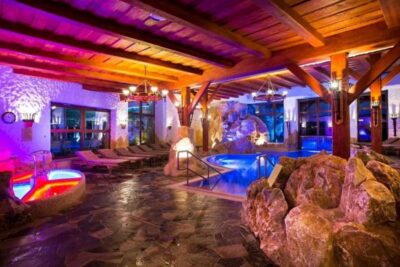
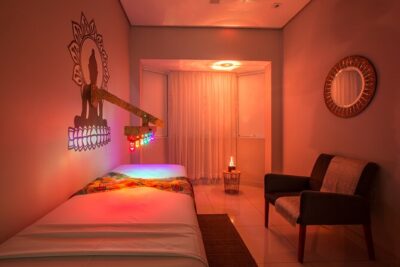
I also appreciate that this is the kind of tour where you can relax. The itinerary blends indoor cultural stops with outdoor breaks, and you’re not left hunting down tickets or directions. You’ll even have a scheduled stop at a wellness facility designated by the Korea Tourism Organization, which adds a different flavor beyond temples and monuments.
One possible drawback: you’re traveling as a group with set departure times, so you won’t have the freedom to linger as long as you want at a single site. If you prefer total independence and DIY detours, this may feel too structured.
In This Review
- Key highlights you’ll feel immediately
- What all-inclusive really means on Round Korea in 7 Days
- Meeting in Seoul at 8:00 am: Amid Hotel Seoul as your base
- Day 1 in Gongju: Gongsanseong Fortress and the royal tomb story
- Day 2 in Jeonju Hanok Village: Hanbok time and a temple tea moment
- Day 3 in Boseong and Suncheon: terraced green tea and coastal wetlands
- Day 4 Busan: UN Memorial Cemetery, Jagalchi Market, and Songdo’s sea views
- Day 5 Gyeongju: Bulguksa, royal tombs, crowns, and Cheomseongdae
- Day 6 Andong Hahoe: dessert-making hands-on plus UNESCO village life
- Day 7 Seoraksan: Jujeongol Valley and dramatic rock scenery
- Price and value: what $1,970 covers on this route
- Pace, comfort, and who this tour fits best
- Should you book Round Korea in 7 Days?
Key highlights you’ll feel immediately
- No shopping, no add-ons: the program keeps the focus on sites and experiences rather than store stops
- UNESCO-heavy days: Gongsanseong, royal tombs, Bulguksa, and Andong Hahoe all bring big historical weight
- Food that’s built into the route: multiple included meals plus a dessert-making hands-on moment
- Busan market time: Jagalchi is your lively, local-day reset before heading back to history mode
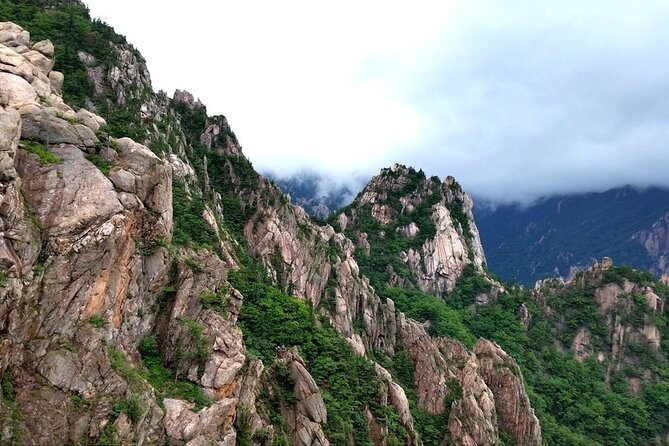
- Nature with a purpose: Seoraksan (Jujeongol Valley) brings dramatic rock scenery and fresh air
- Small-group feel: maximum 35 travelers with an English-speaking guide (one guide you may meet is Jay, known for looking after the group well)
What all-inclusive really means on Round Korea in 7 Days
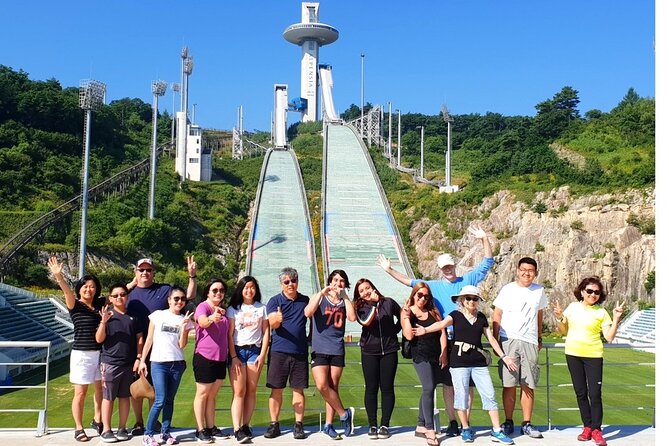
On paper, “all-inclusive” can sound like marketing fluff. Here, it mostly holds up because the tour removes the usual pain points: tickets, most meals, and the main transportation are taken care of. You get an air-conditioned vehicle, an English-speaking guide (or driver-guide), and entrance fees handled for the stops on the program.
That matters because Korea can be easy to navigate, but it’s not always easy when you’re juggling transfers plus opening hours plus ticket lines. When everything is bundled, you spend your energy where you should: looking closely at the architecture, reading plaques, and noticing the small details you’d otherwise miss.
Two other practical pieces help the vibe. First, the tour explicitly says there are no options and no shopping, so your day isn’t chopped up by sales pitches. Second, you receive a welcome kit, which is a small touch, but it usually makes day one smoother—especially when you’re meeting at 8:00 am.
One more note: the tour includes a wellness facility visit connected to the Korea Tourism Organization. The itinerary doesn’t spell out what you’ll do there, but it’s a built-in segment rather than a last-minute suggestion. If you like tours that include a surprise or two, this fits. If you hate anything that feels “extra,” you’ll want to plan mentally for at least one wellness-focused stop.
You can also read our reviews of more tours and experiences in Seoul.
Meeting in Seoul at 8:00 am: Amid Hotel Seoul as your base
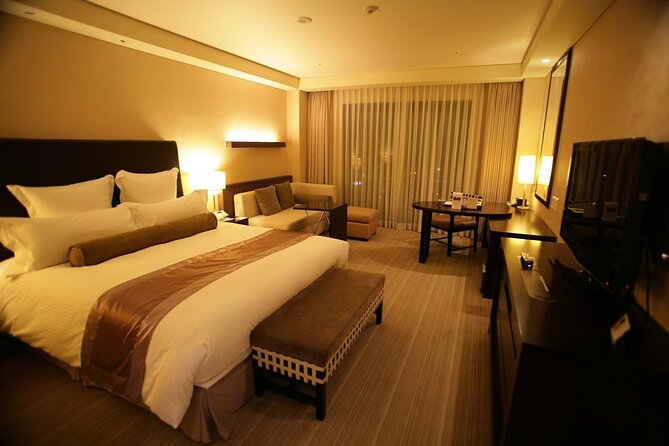
The tour starts at AMID Hotel Seoul at 8:00 am in Insadong (Jongno District). That’s handy if you like staying in the older, walkable parts of the city. It also matters because the listing says there’s no hotel pickup on the first day. In plain terms: if you want an easy morning, stay near the meeting point.
You’ll end back at the meeting point too. That’s not glamorous, but it’s convenient—no midnight “where do I go now?” puzzle. If you’re adding extra nights before or after, this location also gives you a head start on exploring Seoul’s traditional area at night.
Day 1 in Gongju: Gongsanseong Fortress and the royal tomb story
Gongju is one of those cities that feels quieter than the big Seoul buzz, which makes it a smart first stop on a multi-day route. You begin at Gongsanseong Fortress, a hillside fortress that’s been recognized as a UNESCO World Heritage Site since 2015. Walking portions of a fortress site gives you a sense of how the land shaped defense—steep slopes, wide views, and walls that were meant to last.
From there, the day pivots to royal burial history with the Songsan-ri Tombs and the Royal Tomb of King Muryeong. The standout detail here is the burial style: the tomb is known for its brick-built structure. That’s not just trivia. It helps you understand the skills and planning of the era, where craft wasn’t decoration—it was part of the whole concept of honoring power and legacy.
The final stop in Gongju is the Gongju National Museum, with around 10,000 artifacts. The value isn’t only the quantity; it’s the connection. When you visit a tomb or fortress first and then see related relics in the museum, the history “snaps” into focus rather than staying abstract.
Possible drawback for day one: it’s the first day of the tour, so you’ll want to start well-rested. If you arrive in Korea late the night before, you might feel the walking more than you expect.
Day 2 in Jeonju Hanok Village: Hanbok time and a temple tea moment
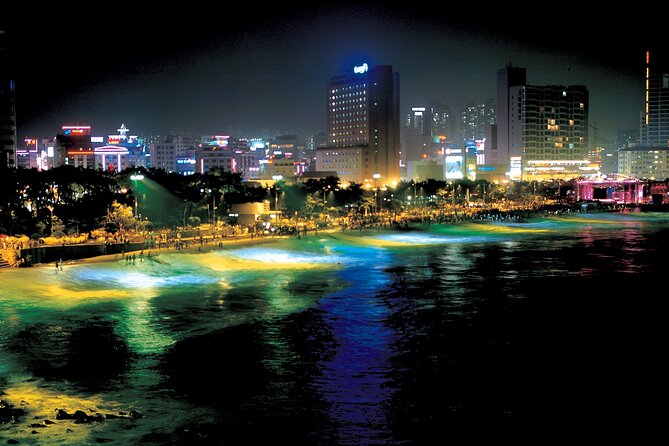
Jeonju Hanok Village is famous for a reason: you can feel the difference between modern streets and the calmer lanes lined with traditional hanok houses. The tour focuses on the heart of the village with stops that balance wandering and structured viewing.
You start at Gyeonggijeon Shrine, built in 1410, and known for its portrait of King Tae-jo (founder of the Joseon Dynasty). If you like to understand what you’re seeing, this shrine stop gives context right away. Then you move into the hanok alley atmosphere, where you’ll also get a Hanbok experience.
The Hanbok portion is one of those activities that’s more fun when you keep it practical. Wear comfortable shoes, plan for a bit of walking, and don’t stress about getting perfect photos. The real win is slowing down enough to experience the village layout in a different mode.
Then the day shifts to a more reflective tempo at Baekyangsa Temple. The standout detail here is the included tea conversation with a Buddhist monk. Even if you don’t catch every word, the experience is about pace and presence. It’s a good counterweight after a day that includes dress-up and sightseeing.
A fair consideration: Jeonju’s hanok areas can be crowded depending on season. You’ll enjoy it more if you lean into the calm moments—side lanes, courtyard views, and the quieter edges rather than only the main photo spots.
Day 3 in Boseong and Suncheon: terraced green tea and coastal wetlands
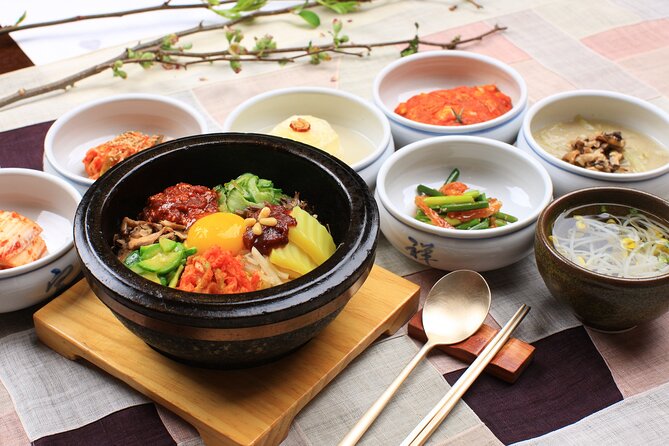
Day three is built around nature, but not in a vague way. First comes Boseong Green Tea Field (Daehan Dawon), described as Korea’s largest green tea field. Terraced tea rows aren’t just scenic; they show how agriculture shapes the land over time. Walking between the rows gives you a better sense of labor, not only beauty.
After lunch, you head to Suncheon Bay Wetland Reserve, positioned where river meets sea. This is one of the world’s top five wetlands, and the tour highlights that it’s a sanctuary for more than 250 species. If you enjoy bird life or plant detail, this stop rewards your attention. Even if you’re not a wildlife watcher, wetlands provide a different kind of “Korea view” than mountains or city streets.
Possible drawback: since this is outdoors time, weather matters. If it’s hot and humid, bring water and plan for slower walking. If it’s rainy, your boots and patience matter more than your photo plans.
Day 4 Busan: UN Memorial Cemetery, Jagalchi Market, and Songdo’s sea views
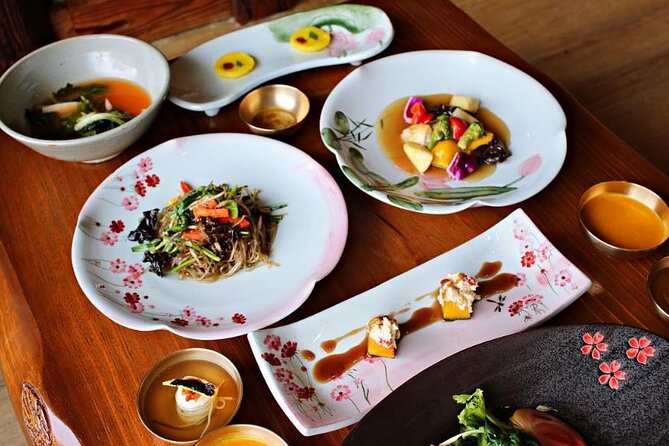
Busan day hits a strong emotional note first with the UN Memorial Cemetery. This is a solemn place for UN soldiers who lost their lives during the Korean War, with graves arranged by nation. It’s not a casual stop, so I recommend treating it that way—quiet pace, no rushing, and time to absorb the layout.
Then it turns lively at Jagalchi Market, Busan’s most iconic fish market. This is where you get a fast, real-world snapshot of daily life: stalls, seafood smells, and people moving with purpose. The route gives you time to take it in rather than a “look and leave” style stop.
Your day ends with the Songdo Cable Car, spanning about 1.6 km from Songdo Beach Station to Songdo Sky Park. Cable cars are a classic way to understand a coastline without doing a full day of steep stairs. You’ll get sweeping views across the water and the surrounding area.
A practical note: Jagalchi is the kind of market where you might want to try snacks. But the tour data only guarantees included meals, not extra purchases. So bring some spending money if you want to taste more than what’s already part of the day.
Day 5 Gyeongju: Bulguksa, royal tombs, crowns, and Cheomseongdae
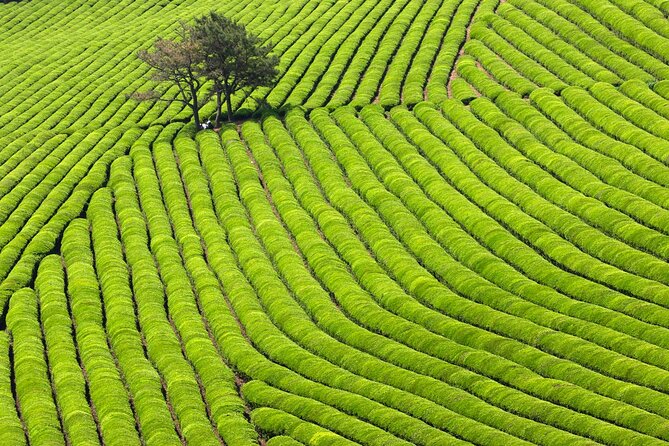
Gyeongju is often called a historic capital for a reason: you feel the Silla-era presence everywhere. The tour starts with Bulguksa Temple, a UNESCO site. Temple architecture in Korea is easy to admire, but this stop also helps you understand how spiritual design and craftsmanship are linked.
Next comes Daereungwon Tomb Complex, famous for large royal burial mounds and notable relics, including elaborate gold crowns. This is where you shift from “temples as beauty” to “royal power as systems”—ritual, wealth, and artistry all built into one story.
The Gyeongju National Museum then ties the day together with artifacts like the gold crowns and other treasures from a millennium ago. Museum time is often the right choice on a schedule like this because it lets you cool down and process what you saw. It also gives you a chance to compare objects across centuries rather than getting only one angle outside.
You close the day at Cheomseongdae Observatory, a beloved symbol of Gyeongju and an ancient astronomical structure. Even though you’re not getting a long lesson plan here, the payoff is imagining how people watched the sky without modern tools.
Possible drawback: day five is information-heavy. If you’re the type who likes to read every sign, you may want to take breaks mid-afternoon so the facts don’t blur together.
Day 6 Andong Hahoe: dessert-making hands-on plus UNESCO village life
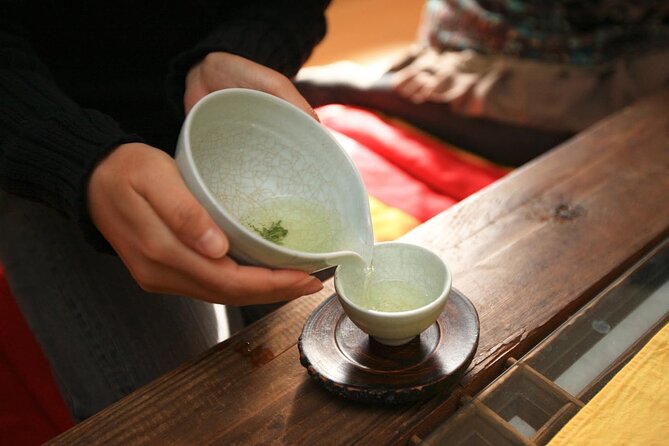
Day six blends hands-on tradition with a preserved village atmosphere. The morning starts with Momyeongjae, a Korean traditional dessert-making experience at the Korean Traditional Culture Center. This is one of the best “memory anchors” in the whole week because it’s active: you create something, not just look at it.
If you’re considering this tour, this is the moment to get excited about. Cooking classes on trips are usually worth it when they’re timed well, and here it’s placed before a longer cultural day so you’re not exhausted before you start walking.
Then you head to Andong Hahoe Folk Village, a UNESCO World Heritage Site with more than 600 years of history. The tour emphasizes that it’s a living cultural landscape, meaning it’s not only ruins behind fences. Instead, it preserves how the village functions as a cultural place.
A practical consideration: with a village like this, you’ll benefit from comfortable shoes and a little curiosity. The most rewarding parts are usually the details—how buildings sit, how lanes connect, and how daily life might have continued over time.
Day 7 Seoraksan: Jujeongol Valley and dramatic rock scenery
Your final day goes outdoors in a big way at Seoraksan National Park. The route mentions a morning greeting in Pyeongchang and then a drive to Jujeongol Valley. This valley is known for dramatic rock formations, soaring peaks, and clear streams.
The tour doesn’t describe the hike length or exact difficulty, but it does label the overall trip as requiring moderate physical fitness. So think of this as a real nature finish, not a gentle stroll.
Why this stop is a great closer: after days of tombs, temples, and museums, you get a reset. Even if you’re not a hardcore hiker, standing in a mountain valley with clear water and stone formations gives you a feeling you can’t get from a photo screen.
Price and value: what $1,970 covers on this route
At $1,970 per person, this isn’t a budget tour. The value depends on how you compare it to DIY costs for the same level of coverage.
Here’s what you can treat as “included value” from the tour details:
- 6 nights in twin or double rooms with hotels on the itinerary
- An English-speaking guide (or driver-guide)
- Air-conditioned vehicle during the program
- Entrance fees for sites on the tour
- Meals: Breakfast (6), Lunch (7), Dinner (6)
- A welcome kit and mobile ticket support
- Group size capped at 35, which usually helps logistics feel manageable
When you price DIY in Korea, it’s not just the ticket cost. It’s the guide cost you replace with your own time, and it’s the hidden costs: paid transfers, missed entrances, and the stress of managing day-to-day timing. This tour trades some freedom for convenience, and for many people that’s worth it.
What’s not included is also clear: insurance, drinks, tips, and personal extras. So if you like bottled water, coffee stops, or shopping on top of the plan (even though there’s no shopping stop here), you’ll still spend.
My take: for a 7-day loop across multiple regions, with meals and entrance fees included, the price feels more reasonable than it would for a single-city sightseeing day.
Pace, comfort, and who this tour fits best
This program is designed for people who want structure without feeling rushed every minute. Days mix travel time with scheduled stops, and you’ll have an air-conditioned vehicle between regions. The itinerary also spreads major “big ticket” sights across different areas—Gongju, Jeonju, Busan, Gyeongju, Andong, and the mountains around Seoraksan.
If you’re the kind of traveler who likes:
- guided explanation so history connects faster
- classic Korea highlights without planning
- a tour that avoids shopping distractions
- a blend of temples, markets, and nature
…then you’ll likely enjoy this setup.
If you’re the kind who hates group timing, or you want to chase your own interests with hours of free time, this may feel too tight. The good news is that the included meal breaks and museum/valley pacing can still give you moments to breathe. You just won’t have control over when the bus leaves.
Should you book Round Korea in 7 Days?
Book it if you want low-stress planning and a week where most of the logistics are handled for you. The standout promise is the balance: UNESCO-heavy history, a real market day in Busan, and a final outdoor nature day in Seoraksan. Add hands-on dessert-making and a tea conversation at a temple, and you get more than just “walk, look, leave.”
Skip it (or at least consider an alternative) if you strongly prefer independent pacing or you’re sensitive to tour days that run full. Also, the starting point being tied to Amid Hotel Seoul means you’ll want to be in that area the night before.
If you fit the first group, this is a smart way to see a lot of Korea without burning your trip on scheduling headaches.