REVIEW · BALI
Bali: Healing Immersion Ubud Balinese Wellness + Lunch
Book on GetYourGuide →Operated by Pranasanti By Luh Manis · Bookable on GetYourGuide
A quiet morning in Ubud can turn into a full reset. This 6-hour Balinese wellness experience pairs Melukat holy-water purification with a Balinese sound healing session, guided by English-speaking teachers in a small group (up to 10). You’ll also get temple entry included plus an included meal with vegetarian, vegan, or non-veg options.
I like the structure here: you’re not just watching rituals, you’re learning the steps—prayers, offerings, and the symbolic use of sacred water. I also like the practical side: you’ll walk in comfort (plus a safety briefing), and you can choose your lunch style. The main drawback is timing and rules—7 AM start, temple etiquette, and you can’t take part in the temple ritual if you’re menstruating.
In This Review
- Key highlights to look for
- How Melukat purification works in real life (holy water, prayers, offerings)
- The Ubud start: early light, photo stop, and a slow guided pace
- Sound healing after purification: what you’re really doing with mantra sounds
- Temple etiquette and comfort rules that matter (sarongs, clothes, change)
- Included lunch: choosing Western or Indonesian, and vegetarian/vegan/no-problem options
- Time on the clock: how a 6-hour day stays realistic
- Price and value: what you’re paying for at $55 per person
- Who should book this (and who should skip it)
- The balanced reality: what to expect emotionally and culturally
- Should you book this Melukat + sound healing day?
- FAQ
- What’s the duration of the experience?
- What time does it start, and where do I meet?
- Is lunch included, and can I choose my meal?
- Does the experience include a temple entrance ticket?
- What should I bring?
- Are there any restrictions for temple participation?
Key highlights to look for
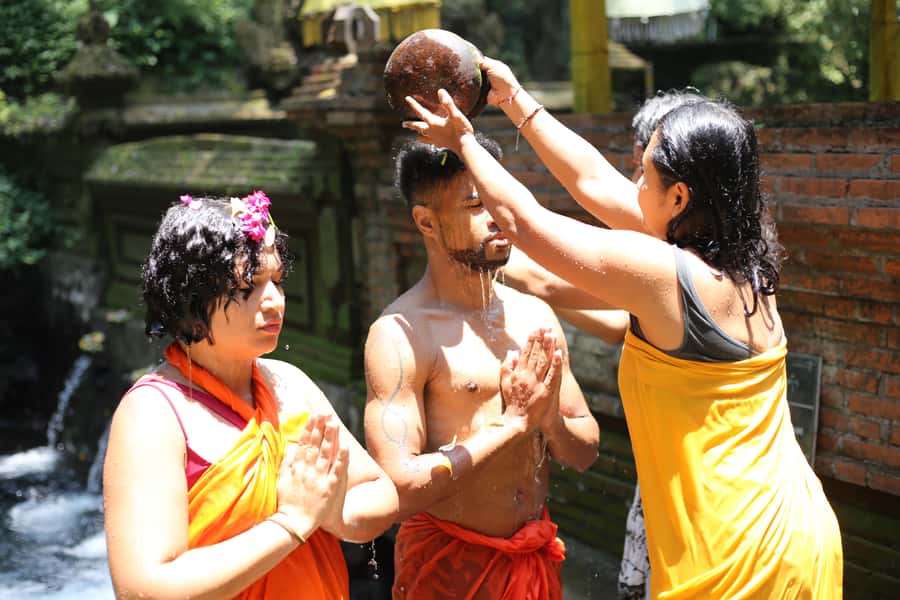
- Melukat with holy spring water: Guided purification steps using sacred water from a local spring or temple setting
- Sound healing with mantra sounds: A therapeutic session designed to support emotional release and stress relief
- Small group, up to 10 people: Easier pace and more chance to ask questions
- Temple-ready support: Sarongs are provided, and a dress approach is built in
- Food included for multiple diets: Vegetarian, vegan, and non-veg choices, with both Western or Indonesian styles
How Melukat purification works in real life (holy water, prayers, offerings)
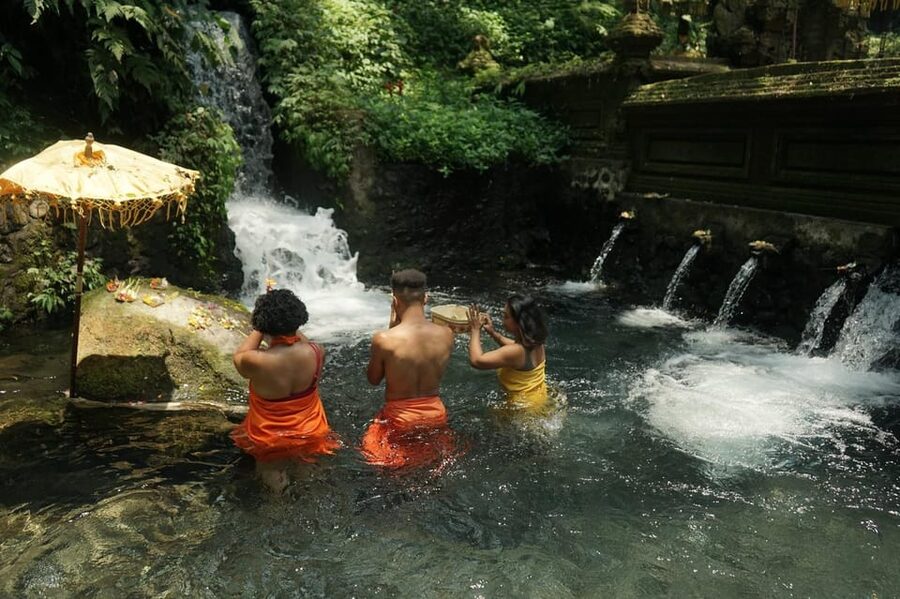
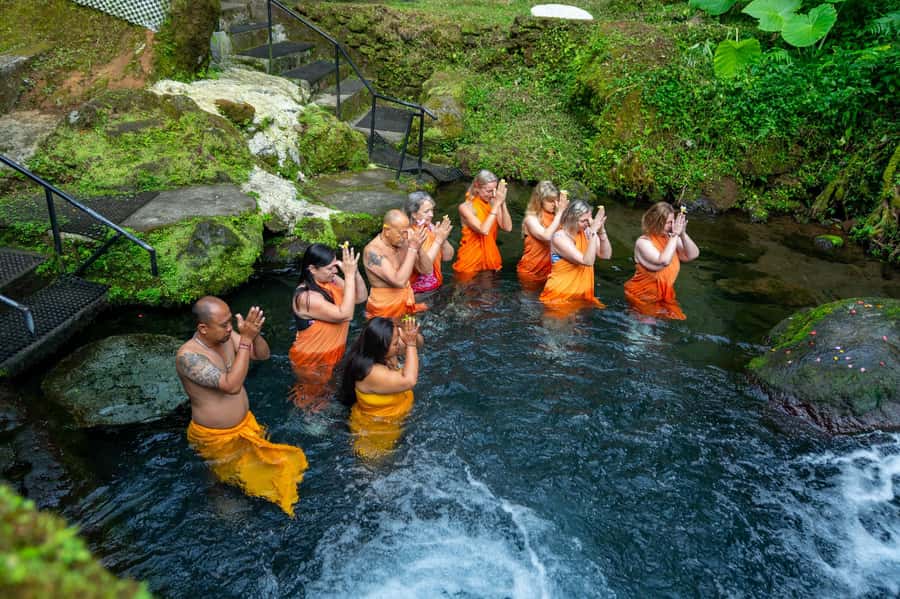
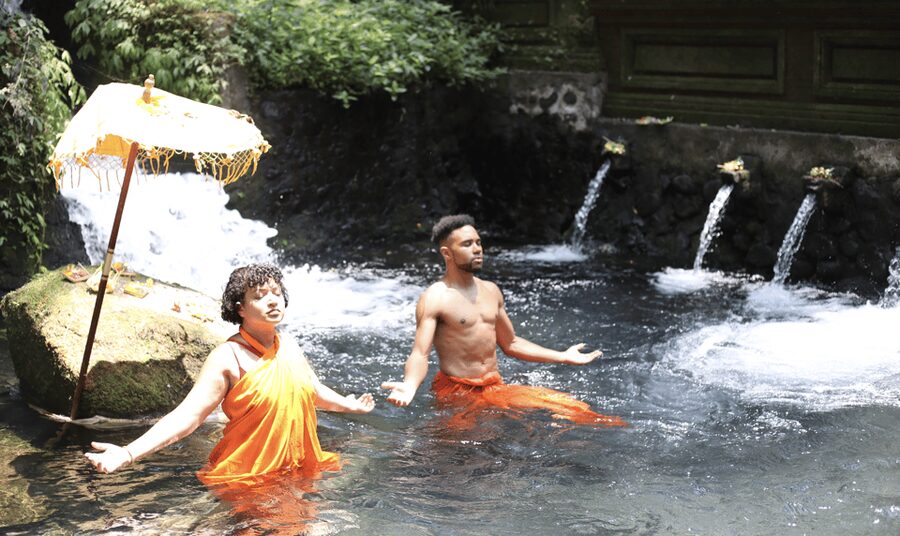
Melukat is the heart of this day, and it’s worth knowing what it actually means before you arrive. In simple terms, Melukat is a Balinese purification ritual meant to cleanse mind, body, and spirit from negative influences. You’ll be guided through the process rather than left to figure it out on your own.
The ceremony happens at a holy spring or temple location. During the session, you’ll learn the ritual flow—prayers, offerings, and how the sacred water is used as a symbolic step in cleansing. Even if you’re not chasing spirituality, this part can still land, because it’s structured, intentional, and very “hands-on” in a cultural way. You’re doing something meaningful with your attention.
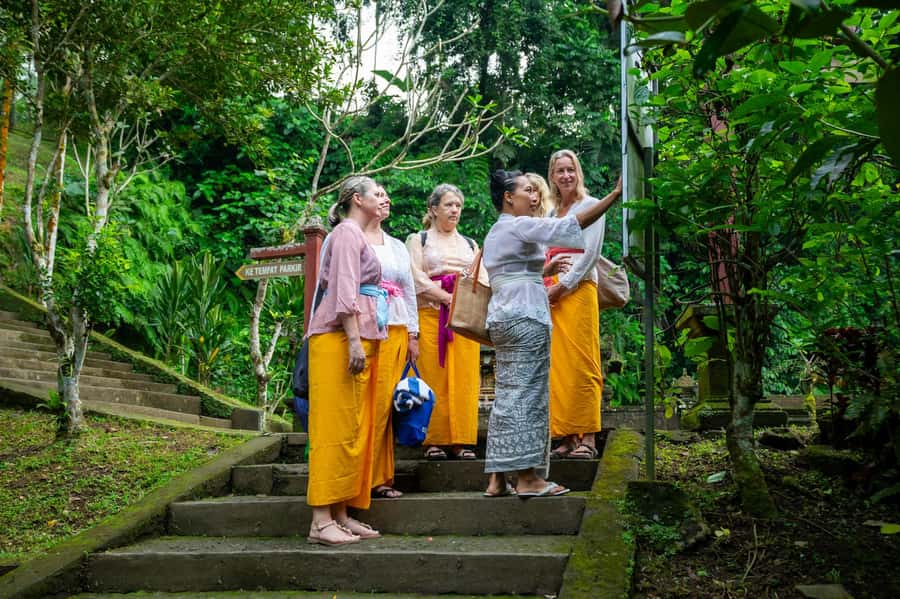
A key practical point: temple participation comes with rules. Sarongs are provided for temple activities, and you should dress in comfortable clothes that work for walking and ritual time. Also note the restriction: temple activity is not allowed for women during menstruation. If that applies to your dates, plan to skip this activity and look for an alternative wellness class that doesn’t require temple ritual access.
You can also read our reviews of more tours and experiences in Bali.

The Ubud start: early light, photo stop, and a slow guided pace
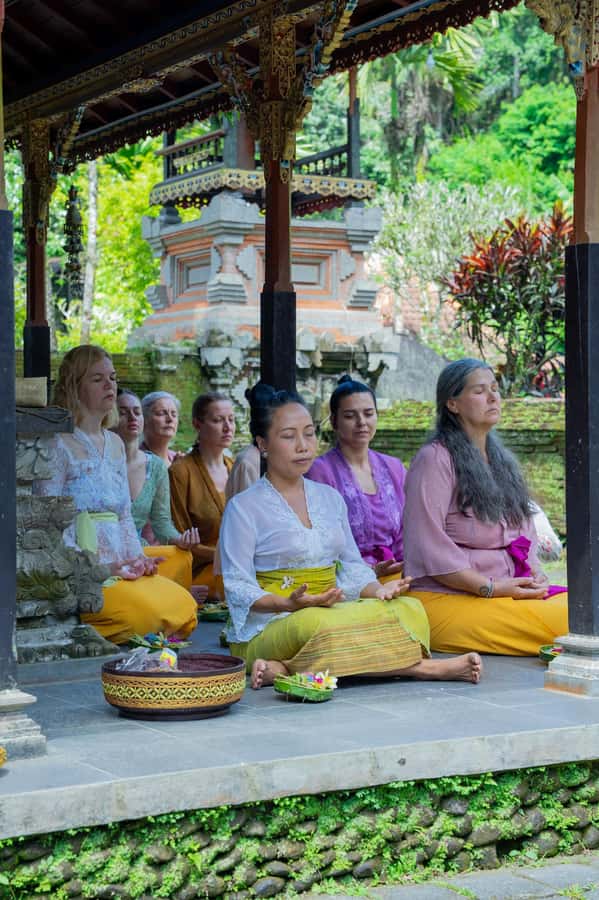
The day begins early—starting at 7 AM—with either pickup in the Ubud area (optional) or meeting at Pranasanti Yoga in Ubud. Either way, aim to arrive on time. These rituals and temple stops don’t run on a “maybe we’ll start later” schedule.
Once you’re gathered, you’ll head into Ubud for a photo stop, a guided tour, and some sightseeing with walking. The plan also includes a safety briefing and scenic views along the way. Expect the day to feel like an early-morning local guide outing: you’re moving through Ubud at a calmer hour, when you can actually pay attention to small details instead of fighting crowds.
One nice detail is the emphasis on sunrise. Your schedule is built for an early start, so you’re not just meeting “sometime in the morning.” The light and atmosphere matter here because Melukat is treated as a spiritual reset, and starting with that early feel helps the whole day make sense.
Sound healing after purification: what you’re really doing with mantra sounds
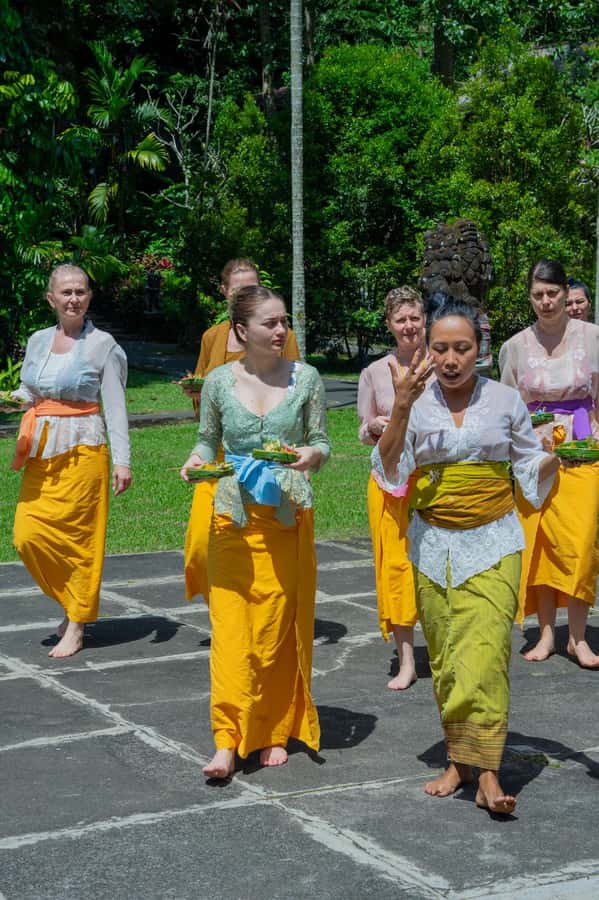
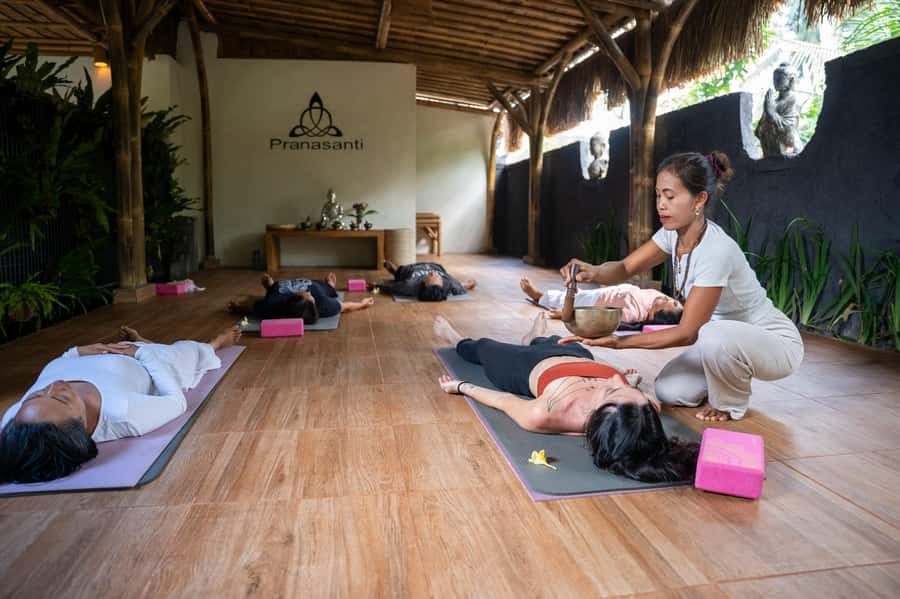
After Melukat, the program shifts from water purification to Balinese sound healing. This isn’t presented as a magic trick. The idea is that sound frequencies—and the sacred mantra sound used in the session—can support emotional release, reduce stress, and improve overall vitality.
How to approach this part: treat it like a guided reset for your nervous system and attention. You’ll likely feel the session more than analyze it. The value isn’t in whether you believe in every spiritual concept; it’s in the structure—quiet time, guided attention, and a culturally rooted healing practice.
Also, don’t treat sound healing as passive entertainment. You may be asked to sit or focus as the session runs. Wear clothing that won’t distract you, and if you’re someone who runs cold, bring an extra layer even for the morning. The day is described as rain or shine, so conditions can vary.
Temple etiquette and comfort rules that matter (sarongs, clothes, change)
This experience includes temple activity, so “what to wear” isn’t just style advice—it affects how smoothly the ritual portion goes.
Here’s what you should bring:
- Comfortable shoes for walking
- Comfortable clothes suitable for a temple visit
- A change of clothes (useful since you’re dealing with a water purification ritual)
Sarongs are provided for temple activities, but your personal comfort is still on you. Choose clothing that you can move in easily and that won’t fuss with fast changes.
Weather-wise, the activity proceeds rain or shine. Bring rain gear if needed. Bali mornings can shift quickly, and you don’t want to spend the ritual portion thinking about being soaked or slippery.
Two more rules to respect:
- Alcohol and drugs are not allowed
- Don’t litter
Small things, but they keep the experience respectful and stress-free.
Included lunch: choosing Western or Indonesian, and vegetarian/vegan/no-problem options
A lot of wellness tours forget food. This one doesn’t. You’ll get an included drink (water, coffee, or tea) plus food with choices across diets: vegetarian, vegan, and non-veg. You can also pick either Western or Indonesian style.
Why this matters: after a morning ceremony and a sound healing session, hunger and fatigue hit fast. Having food included means you don’t have to hunt for a safe meal while your mind is still “processing” the morning’s rituals.
If you have dietary restrictions beyond what’s listed (for example, nut-free or gluten-free), the safe move is to confirm specifics with the provider before you go. The tour data clearly supports vegetarian, vegan, and non-veg options, but it doesn’t mention allergies or detailed medical diets.
Time on the clock: how a 6-hour day stays realistic
The whole experience is listed at about 6 hours. That’s a sweet spot in Bali, where full-day tours can become exhausting. You’re not spending hours and hours on transport without a clear plan. The day is paced around two main wellness pillars (Melukat and sound healing) plus sightseeing time.
The itinerary also notes a Ubud segment that includes scenic views and a walk, plus a timeline that references sunrise. Practically, that means you should be ready for an early start and a morning rhythm. If you’re used to sleeping in on vacation, this is not that kind of day.
Price and value: what you’re paying for at $55 per person
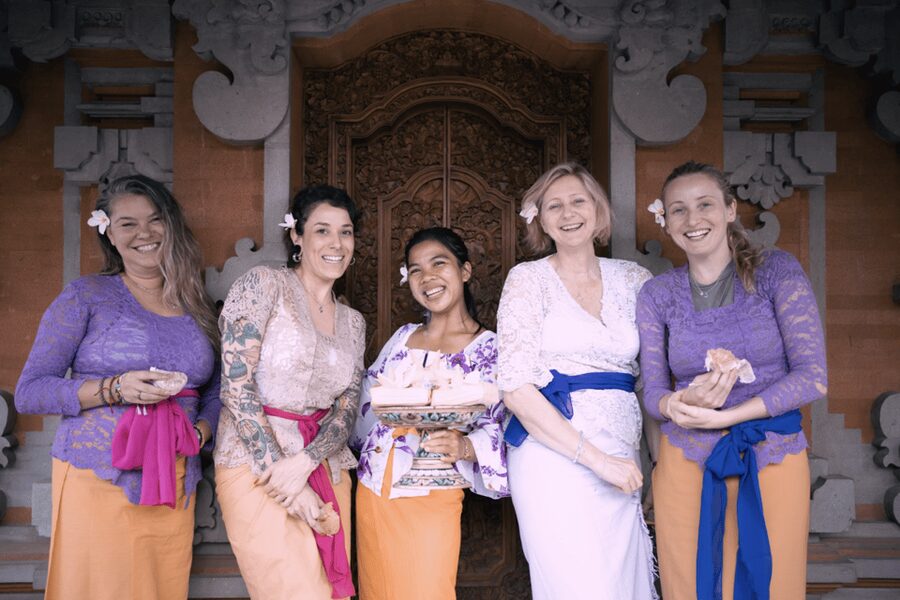
The price is $55 per person, and the value comes from what’s bundled in.
Included items you don’t have to chase:
- Guided local teachers (English-speaking)
- Entrance ticket to the temple
- Drink (water, coffee, or tea)
- Food choice (vegetarian, vegan, or non-veg, plus Western or Indonesian style)
- Optional pickup within the Ubud area
- Small group size (up to 10 participants)
When you add those up, the cost feels more like an organized cultural wellness day than a bare-bones class. The biggest “hidden” value is guidance. Temple rituals and purification steps aren’t something you want to guess your way through. A trained guide helps you understand timing, posture, and expectations so you can focus on the experience instead of logistics.
If you’re the type who likes wellness but also cares about doing things properly, this package is a solid deal. If you’re strictly looking for a quiet self-guided stroll, you might feel the schedule is structured. But if your goal is a guided spiritual reset plus sound healing, the pricing makes sense.
Who should book this (and who should skip it)
This is designed for people who want a culturally rooted wellness day, not just a generic spa moment. You’ll probably love it if you:
- Enjoy guided experiences with clear steps
- Want a morning ritual in Ubud with temple etiquette handled for you
- Like wellness that’s connected to local tradition
- Prefer small-group attention (10 people max)
Skip it if any of the following apply:
- You’re pregnant or have a serious health condition (not suitable)
- You have back problems (not suitable)
- You use a wheelchair (not suitable)
- You have altitude sickness (not suitable)
- You’re over 95 years old (not suitable)
- You’re a woman who will be menstruating on the day of the temple activity (temple participation isn’t allowed)
Even if you’re generally healthy, be honest about mobility. The day includes walking and temple time, so comfortable footwear isn’t optional.
The balanced reality: what to expect emotionally and culturally
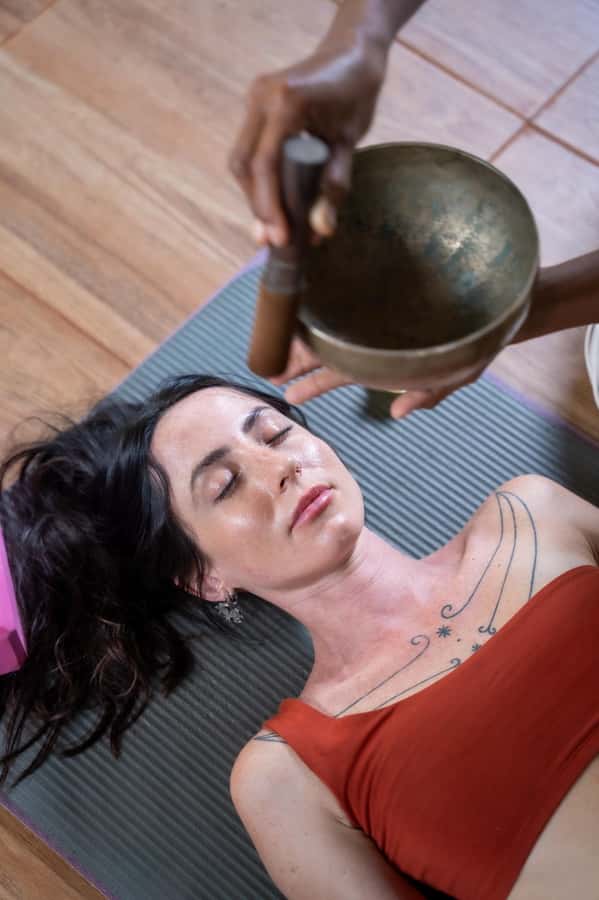
This experience is built for cleansing—spiritually and emotionally. The Melukat ritual is meant for deep spiritual and emotional cleansing, and the sound healing is designed to help with emotional release and stress reduction.
A realistic way to think about it: treat it as a guided focus session inside a cultural framework. You’ll learn the ritual steps, you’ll follow the group, and you’ll be supported by English-speaking teachers. That structure often makes people feel more centered afterward because their mind isn’t wandering between tasks.
On the cultural side, your role is to be respectful. Keep your attention on what the guide is doing, follow instructions for offerings and prayers, and don’t rush your way through the temple segment. If you treat it like a show, you’ll feel less of the benefit.
Should you book this Melukat + sound healing day?
Book it if you want a meaningful wellness experience with real structure: Melukat purification, a guided Balinese sound healing session, a temple visit with entrance handled, and a lunch that fits vegetarian, vegan, or non-veg needs. The small group size and included food/drinks are the practical icing on the cake.
Skip it if your dates conflict with temple restrictions, or if you’re uncomfortable with a 7 AM start plus walking and temple etiquette. Also skip if you’re in one of the listed “not suitable” categories—this tour clearly isn’t designed around those needs.
If you’re on the fence, use this quick test: do you want guided ritual + sound healing as a single coherent wellness day? If yes, this is a strong choice for Ubud.
FAQ
What’s the duration of the experience?
The experience runs for 6 hours.
What time does it start, and where do I meet?
It starts at 7 AM. You meet at Pranasanti Yoga in Ubud, or you may have optional pickup in the Ubud area.
Is lunch included, and can I choose my meal?
Yes. Food is included, with choices for vegetarian, vegan, and non-veg. You can also choose either Western or Indonesian style.
Does the experience include a temple entrance ticket?
Yes, there is an entrance ticket included for the temple.
What should I bring?
Bring comfortable shoes, a change of clothes, and comfortable clothes. Rain gear may be helpful since the activity runs rain or shine.
Are there any restrictions for temple participation?
Temple activity is not allowed for women during menstruation, and the tour also isn’t suitable for pregnant women or people with serious health conditions.