REVIEW · ROTORUA
Wai Ariki Hot Springs and Spa Restorative Journey (2hrs)
Book on Viator →Operated by Wai Ariki Hot Springs and Spa · Bookable on Viator
Hot and cold therapy, with Maori guidance. The Wai Whakaora Restorative Journey at Wai Ariki pairs geothermal spa time with pūrākau stories and a start at the mauri stone, set above Lake Rotorua and Mokoia Island.
I especially like how the wellness circuit is framed by Maori lifeforce language and gentle ritual timing, so it feels like more than just hopping between pools.
I also love the contrast-based routine—waterfall showers, then saunas, then the Te Ahi Tipua Fire & Ice room with a wade pool and a frigidarium—before you settle into the warm mineral water. It’s a simple pattern, but your body gets clear signals at each step.
One possible drawback: you’ll need to manage the hot/cold shifts yourself. It’s not recommended if you have high or low blood pressure, and there’s no food or beverages included, so come ready to re-fuel after.
In This Review
- Key highlights worth planning around
- Wai Whakaora Restorative Journey: a 2-hour plan that actually feels guided
- The mauri stone blessing and the idea of “lifeforce” (Te Hihiri and Te Ngao)
- Waterfall showers and saunas: setting up your body before the contrasts
- Te Ahi Tipua Fire & Ice room: wade, frigidarium, and the fun of contrast
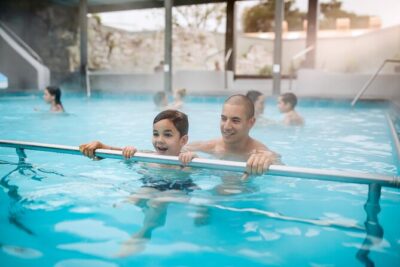
- Te Taiwhanga Matua mineral pools and hydrotherapy: warmth, then cool, then ease
- Te Pae Paru geothermal mud lounge: a hands-on skin treatment
- Kohu Wai Ariki steam room and finishing blessing: the last step is calm
- Facilities and comfort: what’s provided, and what that means for your day
- Price and value: is $108.60 per person worth it?
- Timing, driving, and the small things that help you enjoy it
- Who this spa day is best for (and who should skip it)
- Should you book Wai Ariki Hot Springs and Spa’s 2-hour restorative journey?
- FAQ
- How long is the Wai Ariki restorative journey?
- Where is the meeting point?
- What does the price include?
- Is transportation included?
- Are food and drinks included?
- Who can participate?
- Is it safe for everyone with blood pressure issues?
- What’s the group size?
Key highlights worth planning around
- Small group (max 10 people) keeps the experience calm and guided
- Te Hihiri lifeforce & energy stone sets the tone with a blessing
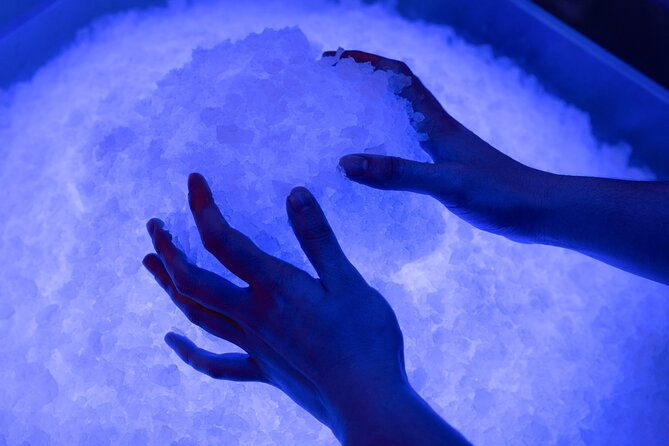
- Te Ahi Tipua Fire & Ice gives you saunas plus wade pool and frigidarium in one stop
- Te Taiwhanga Matua mixes cold-water plunge with herbal and hydrotherapy pools
- Te Pae Paru geothermal mud lounge is a hands-on skin treatment
- Kohu Wai Ariki steam room finishes with a heated-stone reset plus closing blessing
Wai Whakaora Restorative Journey: a 2-hour plan that actually feels guided
This is a two-hour Rotorua spa experience built around a clear sequence: start with a blessing, move through a hot-and-cold rhythm, take care of your skin with geothermal mud, then finish with steam and a closing Māori blessing. The time window is short enough that it doesn’t drag, but long enough that you’re not rushing through stations like a theme park.
What makes it interesting is the way the route is tied to story. You’re not just told where to go—you’re guided through the meaning behind each step using pūrākau (traditional narratives). That gives the thermal routine context, and it helps the session feel slower and more intentional even if you’re simply standing in a shower or soaking in a pool.
And yes, you’ll also get the practical spa stuff: you get a locker, robe and towel, plus access to changing areas and a water station. There’s a good chance you’ll leave feeling refreshed without having to think too hard during the session.
You can also read our reviews of more tours and experiences in Rotorua.
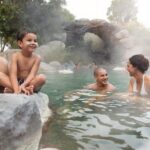
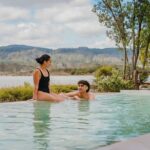
The mauri stone blessing and the idea of “lifeforce” (Te Hihiri and Te Ngao)
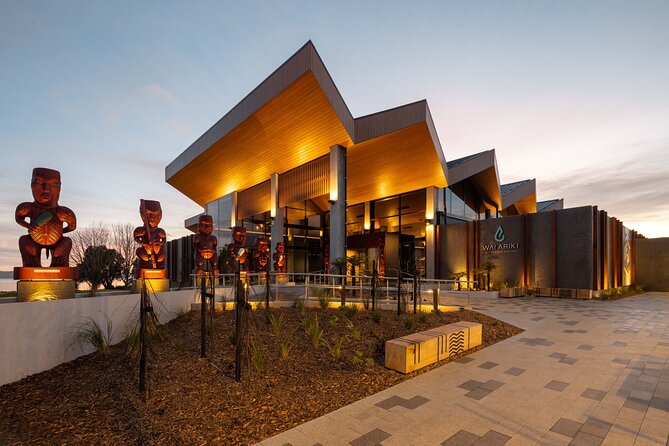
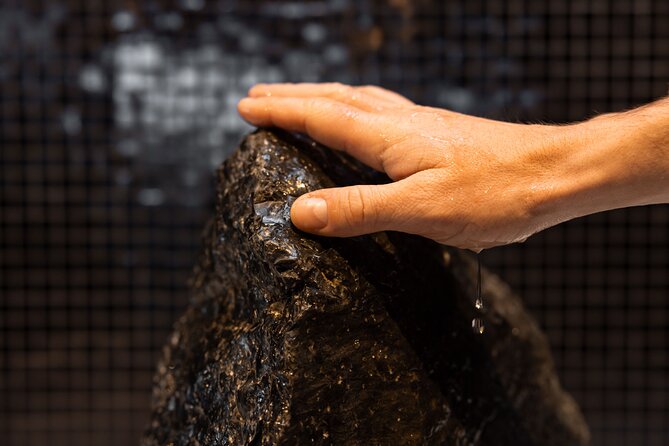
The journey begins at the mauri stone. Mauri is about life force—something like the living spark of a place and a person. You start by releasing stress and receiving a blessing meant to create space for calm and openness.
After that opening, the wellness walk continues with pūrākau guiding each therapy. I like this structure because it keeps you from treating the session like a random list of temperatures. You’re learning a reason for the rhythm: refresh, warm, cool, soften, then return to stillness.
The session also ends with Te Ngao, a closing Māori blessing. That matters. A lot of spas stop when you walk out the door. Here, the ritual framing helps you land the experience and notice how you feel before you rejoin normal life.
Waterfall showers and saunas: setting up your body before the contrasts
You kick off with refreshing waterfall showers. Think of this as your “switch on” moment—cooler water to wake you up and get you ready for heat work that follows. Even if you’re used to hot springs, showers like this can make the later sauna time feel more deliberate.
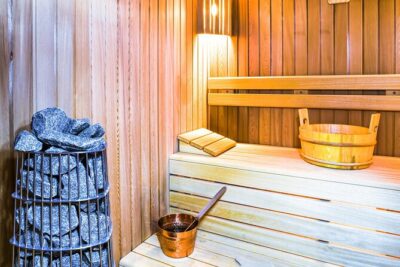
Then come therapeutic saunas to unwind. The key detail here is that it’s not one long steam-for-everything approach. The journey is designed to alternate hot and cold therapies, so you’re not just roasting and hoping for the best. You move through heat, then cool, then heat again.
There are multiple heat and cold points in the complex, and the names help you track what you’re doing:
- Te Ahi Tipua for the Fire & Ice stop
- Te Taiwhanga Matua for the geothermal mineral alkaline pools and plunge options
- Kohu Wai Ariki for the steam room finish
This is the kind of planning that helps you enjoy the experience even if you don’t feel like you’re a sauna pro.
Te Ahi Tipua Fire & Ice room: wade, frigidarium, and the fun of contrast
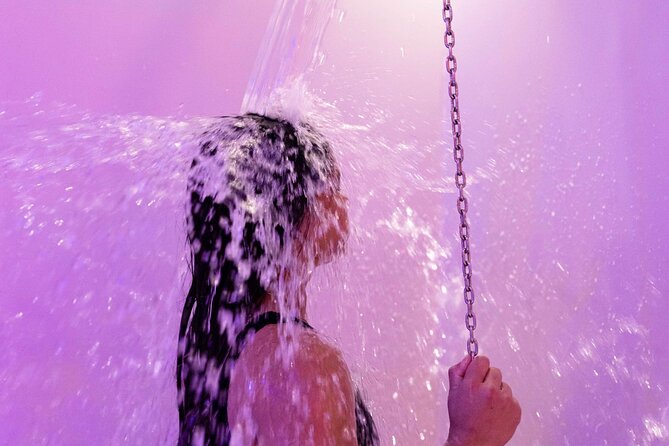
The Te Ahi Tipua Fire & Ice room is one of the most practical highlights because it packs multiple temperature experiences into one area. You’ll use saunas, a wade pool, and a frigidarium.
If you’re the type who likes a clear “on-off” experience, this part will click. Heat first, then a cold step. Not once, but as a repeated pattern within your overall route. That rhythm is the whole point: energise your senses and keep your body responding instead of just settling into one temperature all session.
Two things to keep in mind:
- Cold plunges and frigidariums can be intense if you’re anxious about them. You’ll get more out of this if you take it step-by-step.
- The session is about wellness, not pain. You can choose your comfort level at each stop as long as you keep moving through the pathway.
Te Taiwhanga Matua mineral pools and hydrotherapy: warmth, then cool, then ease
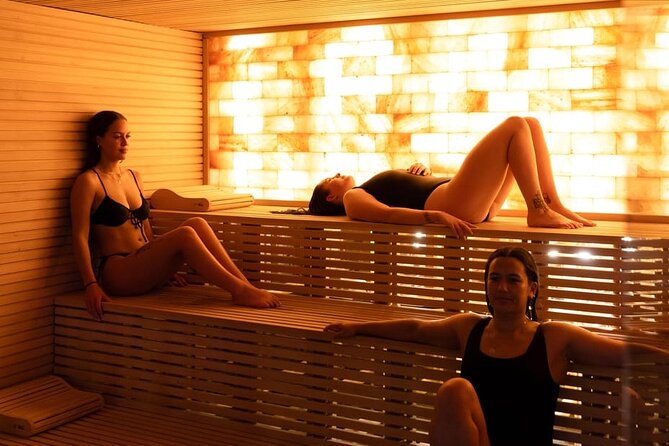
Next is Te Taiwhanga Matua, described as geothermal mineral alkaline plus cold-water plunge, herbal pools, and hydrotherapy pools. This stop is where the session becomes more traditional “hot springs relaxing,” but it still keeps the hot/cold pattern.
Here’s what I like about this arrangement for you: it’s not all about extreme temperature. After the frigid step, you have mineral-rich pools and hydrotherapy options to support recovery and relaxation.
Also, the “herbal and hydrotherapy” language matters because it suggests these pools are meant to feel different from each other. Some pools are for warmth comfort, others are for massage-like relaxation. If you’re the type who likes variety, you’ll appreciate that you’re not just soaking in the same pool with a different label.
And because it’s all geothermal and mineral-rich, you’re likely to feel the session in your skin and muscles rather than just as a mood change.


Te Pae Paru geothermal mud lounge: a hands-on skin treatment
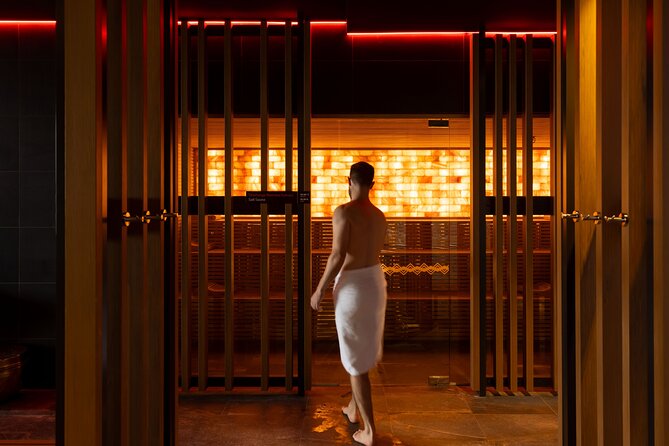
One of the signature parts of the journey is the Te Pae Paru geothermal Mud Lounge. This is where you treat your skin to geothermal muds mixed with indigenous plant/oils, using natural mud for self application.
This stop works best if you’re okay with a messier, slower moment. You’re not just soaking—you’re applying and settling, then rinsing as part of the overall flow. For many people, this is the “I did something” moment in a spa day.
Practical tip: keep your routine simple. Follow the guidance given at the start of the pathway, and don’t rush the mud stage if your goal is comfort and softness. It’s one of the few parts where time can actually help.
Also, since towels and a robe are provided, you can focus on the treatment itself rather than figuring out what to bring.
Kohu Wai Ariki steam room and finishing blessing: the last step is calm
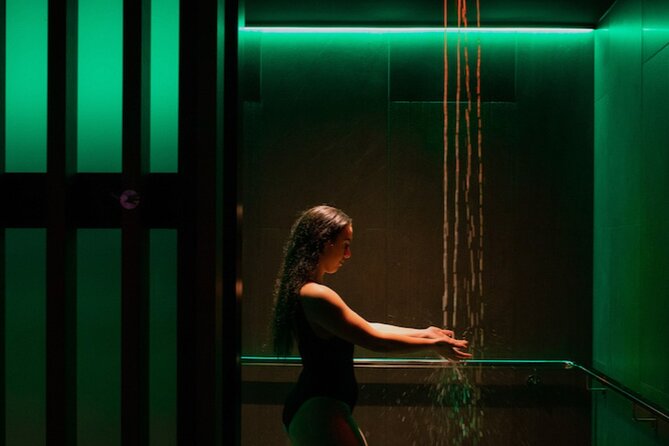
You finish in the Kohu Wai Ariki steam room with a heated stone. This is a classic “quiet the nervous system” type of end point, and it pairs well with the closing Māori blessing.
If you’ve ever left a spa feeling like you’re still in motion, this ending helps. The steam room gives you a slower physical close, while Te Ngao gives a mental close. The result is a stronger sense of arriving somewhere and leaving that place settled.
When you plan your day around this, leave yourself time afterward. You’ll likely want a little recovery before jumping back into driving, dinners, or sightseeing.
Facilities and comfort: what’s provided, and what that means for your day
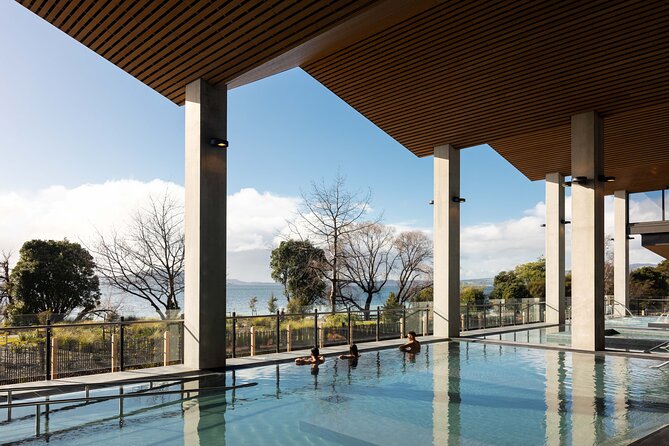
Wai Ariki keeps it practical. You get:
- Locker, robe, and towel
- Water station facilities
- The full access to the named therapy rooms and pools in your journey
That convenience is part of the value. You’re not hauling extra stuff or trying to guess what’s available on-site.
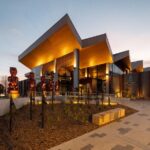
You’ll also appreciate the view. The setting overlooks Lake Rotorua and Mokoia Island, and many spa days in Rotorua are about scenery as much as soak time. Even if you’re focused on wellness, you still get that calming backdrop.
One more helpful detail: the group size is capped at 10 travelers. Smaller groups usually mean less chaos, clearer guidance, and easier pacing through changing rooms and stations.
Price and value: is $108.60 per person worth it?
At $108.60 per person for about 2 hours, the best way to judge value is what’s included versus what you’d pay separately at a standard hot springs venue.
This price covers a lot in one package:
- A guided wellness journey with a culturally framed pathway
- Specific therapy areas (saunas, wade pool, frigidarium, cold-water plunge, herbal and hydrotherapy pools, geothermal mud lounge, and a steam room)
- Locker/robe/towel
- A start and closing blessing plus a guided wellness walk
You also don’t have to choose only between pools or only between treatments. The session is built to use both, which is usually where the value shows up.
The trade-off: you’re paying for the experience design (guided flow + multiple therapy types), not for a full half-day spa with unlimited wandering. Also, there are no food or beverages included, so you’ll want a plan for after your session.
Still, if you want something structured, not random, and you like the idea of mixing relaxation with cultural context, this price can feel fair.
Timing, driving, and the small things that help you enjoy it
This is a mobile ticket activity, starting at 1047 Whakaue Street, Rotorua 3010, and ending back at the meeting point.
Transfers aren’t included, and the experience is listed as self drive only, so build that into your schedule. Rotorua parking can vary by day, so give yourself a few extra minutes.
Duration is about 2 hours, and the experience works best when you show up ready for a changing-room flow. You’ll likely move through multiple stations, so wear something you can manage easily and follow the route you’re given.
Also note:
- Age suitable for 16 years and older
- Not recommended for people with high or low blood pressures
If any of those health points apply to you, it’s smart to check with a clinician before booking.
Who this spa day is best for (and who should skip it)
This journey fits best if you want:
- A spa that feels guided, not chaotic
- Hot and cold therapy in a planned sequence
- A cultural element (pūrākau stories, blessing moments, mauri opening/closing)
- High-quality facilities with a view of Rotorua and Mokoia Island
You might also like it if you’re going with a partner or family group style, since the cap of 10 helps keep things friendly and controlled.
Skip or reconsider if:
- You’re not comfortable with cold plunges or frigidarium-style cooling
- You have health concerns, especially related to blood pressure
- You’re hungry and hoping the experience includes meals (it doesn’t)
If you fall into the “I just want an easy soak” category, you might find the structured wellness pacing more directed than you expected. But if you enjoy a routine with stops and meaning, this is built for that.
Should you book Wai Ariki Hot Springs and Spa’s 2-hour restorative journey?
I’d book it if you’re choosing one Rotorua spa experience and you want both the practical hot springs stuff and the cultural framing. The strongest reasons are the full set of therapy rooms you use in one session (saunas through steam, plus mud and hydrotherapy) and the way the journey is anchored by blessings and pūrākau stories, not just temperatures.
I wouldn’t book it if you need food included, you dislike cold therapy, or you have blood pressure concerns. The experience depends on you participating in the hot/cold rhythm, so comfort and safety matter more than getting through every station.
If you’re deciding today, here’s my quick checklist:
- Are you okay with multiple temperature changes in about 2 hours?
- Are you 16+?
- Will you handle meals after since nothing is provided during the session?
- Do you want a smaller, guided flow with Lake Rotorua views?
If you said yes to most, this is one of the more thoughtful spa choices in Rotorua.
FAQ
How long is the Wai Ariki restorative journey?
It’s approximately 2 hours.
Where is the meeting point?
The start is at 1047 Whakaue Street, Rotorua 3010. The activity ends back at the meeting point.
What does the price include?
You get the 2-hour wellness journey, a cultural and wellness guided walk, the lifeforce/energy stone blessing, access to the named therapy rooms (Fire & Ice, geothermal mineral alkaline pools with cold plunge options, mud lounge, and steam room), a closing Māori blessing, plus locker, robe and towel, and water station facilities.
Is transportation included?
No. Transfers are not included, and it’s self drive only.
Are food and drinks included?
No food or beverages are provided.
Who can participate?
Most travelers can participate, with age suitability for 16 years and older.
Is it safe for everyone with blood pressure issues?
It is not recommended for those with high or low blood pressures.
What’s the group size?
The maximum group size is 10 travelers.