REVIEW · TOKYO
Tokyo Ikebana Wellness Art Experience near Shinjuku
Book on Viator →Operated by Ikebana Wellness Art Experience in Tokyo · Bookable on Viator
Flowers talk back in Tokyo. In a small workshop guided by Ai-sensei, you’ll learn Ikebana with fresh flowers in a calm Japanese-style room.
I love that the class explains the 600-year-old background as you go, not as a lecture you’ll forget. I also love the practical part: you leave with your take-home arrangement, so the experience follows you into your hotel room.
The main thing to consider is that you’re working with fresh materials. Plan to treat your arrangement gently on the way home, and set it up soon so it keeps looking its best.
In This Review
- Key Highlights You’ll Feel Right Away
- Getting Oriented in Nakano: Meeting at M SQUARE (1:00 pm)
- Ai-sensei’s Welcome: 600 Years of Ikebana in Real Life
- The 90-Minute Workshop Flow: Build, Adjust, Finish
- Why Fresh Flowers Look Different in Every Hands
- Take-Home Ikebana: Enjoy It Past the Class Door
- Price and Booking Value: What $52.71 Buys You in Central Tokyo
- Who This Workshop Fits Best (and When It Might Not)
- Should You Book Tokyo Ikebana Wellness Art Experience?
- FAQ
- How long is the Ikebana workshop?
- Where is the meeting point?
- Do I need prior experience with Ikebana?
- What happens at the end of the experience?
- Can I take my arrangement home?
- What is the group size?
- If I’m already in Japan, do I need to enter passport number or flight info?
Key Highlights You’ll Feel Right Away
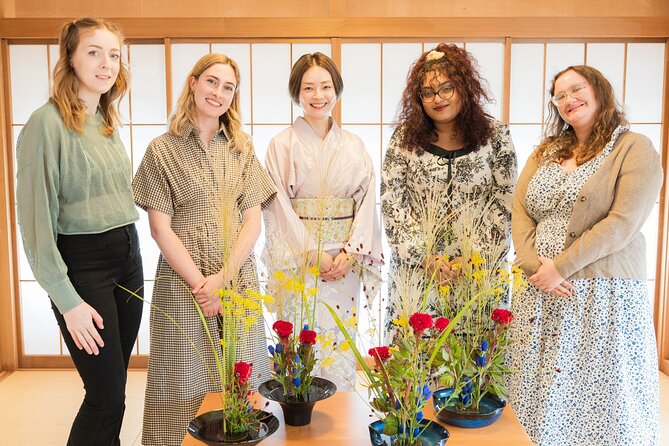
- Beginner-friendly Ikebana with step-by-step guidance, no experience needed
- Small group max 5, so you actually get personal feedback
- Learn the history and styles behind Ikebana, explained in plain terms
- Create a finished arrangement you can bring home the same day
- Guided in English with patient instruction and careful demonstrations
Getting Oriented in Nakano: Meeting at M SQUARE (1:00 pm)
This experience starts at Japan, 164-0001 Tokyo, Nakano City, Nakano, 3-chōme 8, M SQUARE. It’s in central Tokyo and designed to be easy to reach using public transportation. The class duration is about 1 hour 30 minutes, starting at 1:00 pm, and it ends right back at the meeting point.
Practical tip: bring your phone and make sure you can access your mobile ticket. You’ll want a smooth check-in so you can jump straight into the flower part (Tokyo has plenty of distractions—Ikebana does not).
You can also read our reviews of more tours and experiences in Tokyo.

Ai-sensei’s Welcome: 600 Years of Ikebana in Real Life
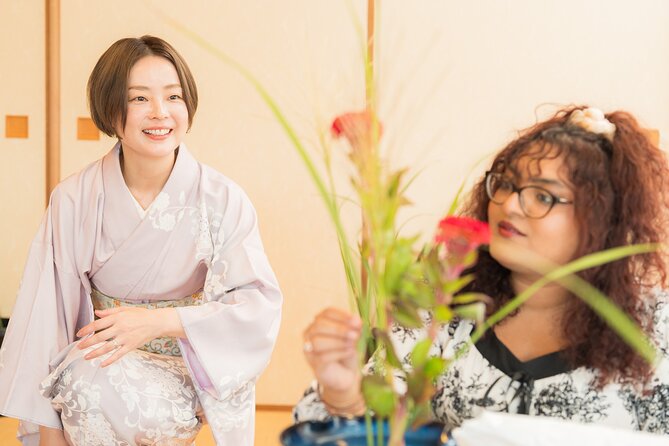
Before you touch a flower, you get a friendly introduction to what Ikebana is and why people take it seriously. The lesson covers the 600-year-old history and cultural background of the art form. You’ll also view photos of the instructor’s works, which helps you “see” what you’re aiming for before you start building.
Then you shift into the basics: you learn about the vessels, the tools, and the main styles of Ikebana. Even if the names sound like a puzzle at first, the instructor’s approach stays practical—what matters is how those ideas translate into your arrangement.
The tone is relaxed, not school-unfriendly. Many people feel nervous at the start, but the instruction is gentle and paced for beginners. It’s the kind of class where you can ask questions and not feel rushed.
The 90-Minute Workshop Flow: Build, Adjust, Finish
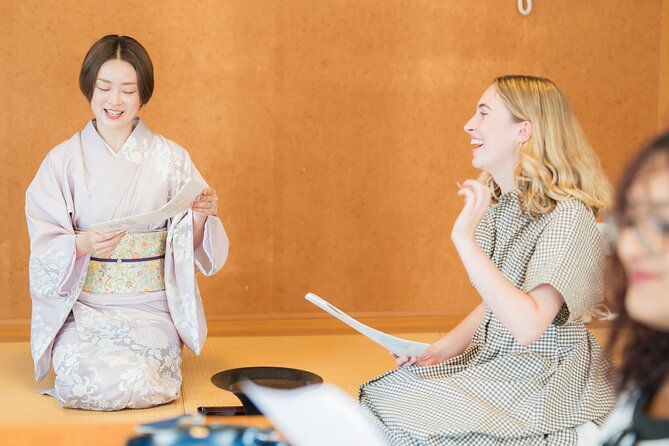
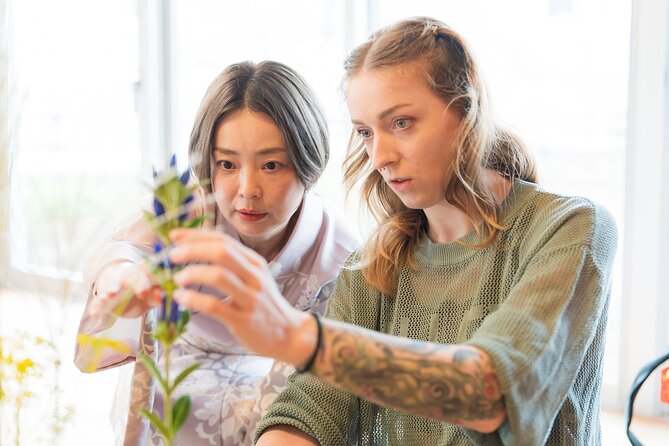
The workshop is structured so you don’t waste time wondering what comes next. You’ll start with guidance on handling the materials and then you’ll build your arrangement step by step.
Here’s the real value in the hands-on part: you learn how small changes create big results.
- Adjusting height can completely change the look.
- Changing the direction of branches shifts the mood.
- Even taking out or repositioning a single leaf can alter the balance.
You also learn how to cut and place with intention. In Ikebana, you’re not just arranging flowers—you’re shaping a composition. The class teaches you the basic rules, but it doesn’t treat your creativity like an accident. It encourages you to follow the structure while expressing your own idea of what looks right.
The result is usually fast and satisfying. You’ll go from raw stems to a finished piece you can look at and think, I made that.
Why Fresh Flowers Look Different in Every Hands
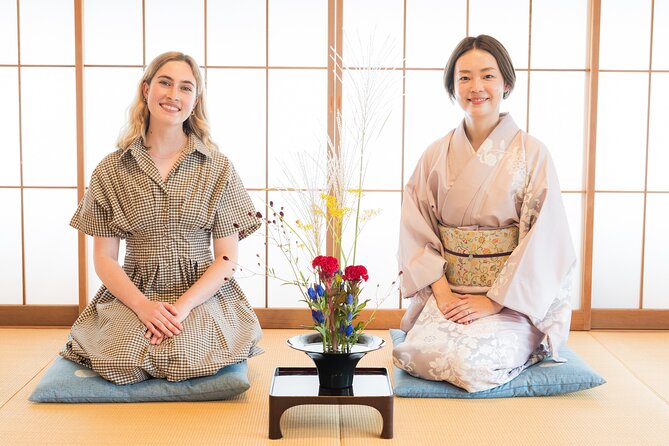
One of the most fun parts of this workshop is seeing how the same basic materials can produce different outcomes. The class uses a small group format (max 5 participants), and that matters. With fewer people in the room, the instructor can notice what you’re doing and correct details that make your arrangement feel more intentional.
You also get to watch other creations unfold. The patterns can be similar, but the final shapes feel personal. People often notice things like spacing, balance, and how the composition “breathes” once it’s finished.
This is also where the mindfulness angle shows up. Ikebana has a way of slowing you down. Even when you’re learning something new, you’re focusing on one task at a time: choose, place, adjust, and refine. It’s a short break from the noise of Tokyo, without needing to “do” anything complicated.
Take-Home Ikebana: Enjoy It Past the Class Door
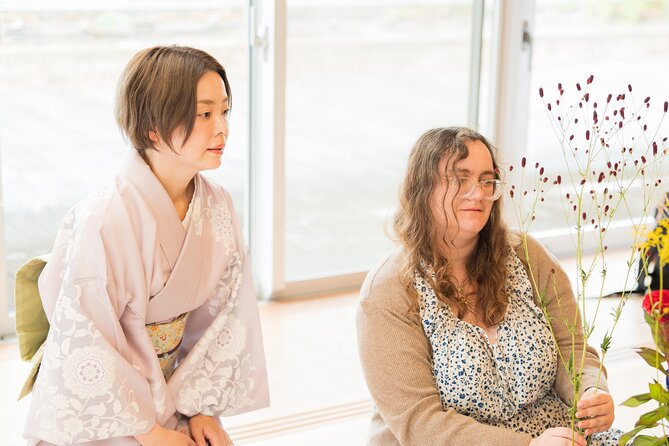
The best part for many people is the take-home artwork. You can bring your arrangement with you, so you’re not stuck with a photo and a memory. You’ll be able to enjoy it during your stay—many people picture placing it in their hotel room where it becomes a quiet reminder of the workshop.
Because the materials are fresh, plan a little care when transporting. Keep the arrangement secure and treat it gently. If it’s part of your day plan to move around Tokyo after the class, build in a bit of time so you can get back, set it up, and enjoy it before you head out again.
If you like the idea of starting a small tradition—one small art moment per trip—this is a great fit. It’s not just a one-hour activity; it keeps working as decoration and a conversation starter.
Price and Booking Value: What $52.71 Buys You in Central Tokyo
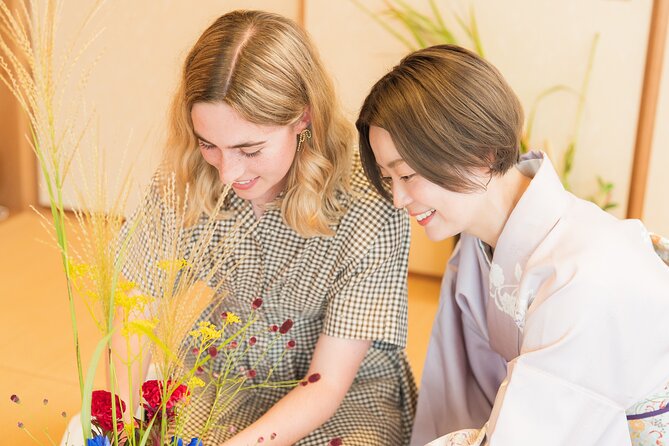
At $52.71 per person, this workshop sits in the “you’re paying for quality guidance and materials” category. The value is the combination of:
- a small group that supports real feedback,
- step-by-step instruction for beginners,
- and a completed arrangement you can take home.
A big difference between a workshop and a DIY purchase is time. Here, your time buys coaching: how to handle the materials, how to balance the design, and how to get from basics to a finished look you can be proud of.
Booking-wise, it’s also smart to plan ahead. The experience is commonly booked about 22 days in advance on average, so don’t wait until the last minute if your schedule is tight. The max group size means the class fills up by limiting seats.
Who This Workshop Fits Best (and When It Might Not)
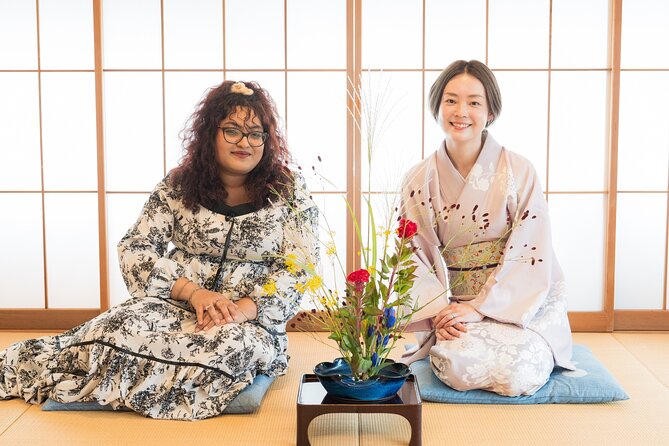
This is ideal if you want a Japanese cultural activity that feels hands-on, calm, and beginner-friendly. It works well for:
- first-timers who want no experience required
- people who like art that’s physical and practical
- friends, couples, and colleagues who want something meaningful but not overly formal
- anyone chasing a calmer hour away from the city grind
It also helps that the instruction is supported in English, which makes the learning curve far less stressful.
One possible mismatch: if you’re looking for a full sightseeing-style Tokyo experience, this is not that. It’s a focused workshop in a single setting. You’ll leave with a flower arrangement and knowledge, but you won’t get a long walking itinerary or major landmark stops.
Should You Book Tokyo Ikebana Wellness Art Experience?
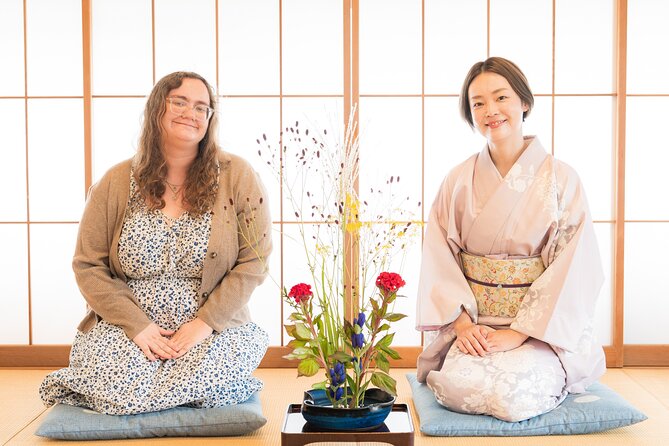
If you want a short, high-satisfaction cultural activity and you like the idea of creating something you can take home, I’d book this. The small group format, the beginner-friendly approach, and the fact that you learn while actually building your arrangement make it feel worth the time.
You should also book if you’re tired of “watching” culture and want to do it with your hands. Ikebana has that quiet wow factor: your brain learns the rules fast, but your eyes keep noticing how tiny changes shift the final feeling.
If you already know you don’t want to work with fresh flowers—or you prefer activities that last longer than 90 minutes—then look for something more time-intensive. Otherwise, this one is a clean, rewarding way to experience Japan through seasonal nature and design.
FAQ
How long is the Ikebana workshop?
It runs for about 1 hour 30 minutes.
Where is the meeting point?
The meeting point is at M SQUARE, Nakano City, Nakano, 3-chōme 8, Tokyo 164-0001, Japan.
Do I need prior experience with Ikebana?
No. The workshop is designed for beginners and participants of all ages.
What happens at the end of the experience?
The activity ends back at the meeting point.
Can I take my arrangement home?
Yes. Your take-home artwork is part of the experience, so you can bring your arrangement with you.
What is the group size?
The experience has a maximum of 5 participants.
If I’m already in Japan, do I need to enter passport number or flight info?
No. If those fields are requested, you should enter “N/A”.