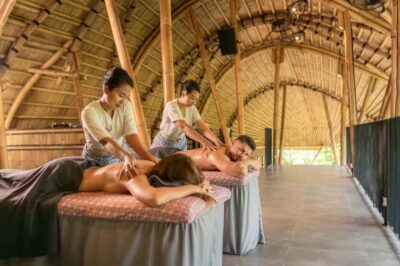
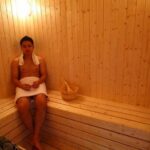
Ayurveda mornings in the hills reset your tempo. This 3-day retreat at Ayurveda Health Home pairs early yoga with sensorial cleansing and a full schedule of 24 treatments designed for the energy, senses, and mind.
What I like most is the treatment variety, from sensory and eye-focused work (including Neti Karma and eye exercises) to big-feeling finishing therapies like Siro Dhara. The setting also does real work for your stress level: the center sits up in the hills above Kathmandu, and the staff feel genuinely warm and professional.
One consideration: the days start early, around 6:30 AM, and the therapy blocks are long. If you want a slow, lazy vacation pace, this schedule will feel intense.
In This Review
- Key things to know before you go
- Ayurveda Health Home in Kathmandu: the setting and the real value
- Day 1: early yoga, sensorial cleansing, and your first long treatment block
- Day 2: spinal programs, whole-body ubtan abhyanga, and staying consistent
- Day 3: finishing therapies like Siro Dhara and the closing lunch
- The treatment menu: what you will likely feel during 24 sessions
- Meals, accommodation, and the comfort you need for real recovery
- Price and logistics: is $970 actually fair?
- Who this retreat is best for (and who should think twice)
- Should you book this 3-Day Ayurvedic retreat in Kathmandu?
- FAQ
- Where is the retreat meeting point?
- How long is the experience?
- What time does the program start each day?
- What is included in the price?
- Is it a private tour?
- Do I need to bring a physical ticket?
- What are the opening hours for Ayurveda Health Home?
- What is the cancellation policy?
Key things to know before you go
- 24 treatments in 3 days keeps you busy, not bored
- Daily yoga at 6:30 AM sets the rhythm for everything else
- Sensor-focused cleansing includes Neti Karma and eye exercises
- Head and body therapies finish strong, including Siro Dhara and herbal tub bath
- Meals and accommodation included so you can focus on recovery
- Private group setup means the program is for your party only
Ayurveda Health Home in Kathmandu: the setting and the real value
If you are picturing a retreat that is equal parts wellness and quiet, this one fits the idea. Ayurveda Health Home is at Tarakeshwor-3 (Nagarjun Center) and it feels tucked into the hills above Kathmandu, which helps you shift out of traffic-and-noise mode fast. More than once, people point to the calming location and the meditative feel of the place.
Value-wise, the price tag of $970 is easier to digest when you look at what you actually receive: three days, daily yoga, three wholesome meals, accommodation, complimentary pick-up within Kathmandu, and 24 rejuvenating treatments guided by doctors. In other words, you are not just paying for a single massage. You are buying a structured wellness program, with multiple therapy types touching different parts of the body and mind.
Another practical plus: the center is near public transportation, so even if you prefer to manage your own local movement on free time, you are not stuck. And because it is described as a private activity, your group is the only group doing the sessions at the time slots listed, which often makes mornings feel less chaotic.
My only caution is the intensity factor. This is a packed three days with long treatment blocks and early starts. If you are coming off jet lag, or you like to sleep in, plan for a rough first morning. But if you want your body to get the message quickly—calm, move, reset—this schedule does that.
You can also read our reviews of more tours and experiences in Kathmandu.
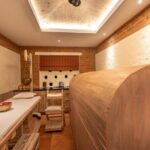
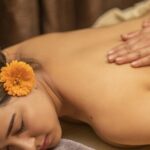
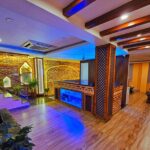
Day 1: early yoga, sensorial cleansing, and your first long treatment block
Day 1 begins at 6:30 AM to 7:30 AM with yoga. This is not a random warm-up class. It is the program’s opening act: awaken the senses, energize your body, and get you ready for the therapy schedule that follows.
Then you go into a longer session from 8:30 AM to 12:30 PM focused on sensorial cleansing and deep stimulation therapies. The focus is broad: energy, body parts, senses, emotions, and mind. The overall theme matters because it frames the retreat as more than physical relief. You are asked to pay attention to how you feel, not just what someone does to you.
You should expect the morning to feel “full.” It is four hours, and the style is described as healing with love and respect. That phrase might sound generic, but it matches what repeat visitors tend to value: being treated kindly through demanding bodywork and focused practices. The inclusion of Neti Karma and eye exercises in the program overview also hints that you will not be doing only passive relaxation.
At 1:00 PM to 2:00 PM, you get lunch plus relaxation time. This break is important. It gives you a chance to come down from the intensity of the morning and notice how your body responds once it is allowed to rest. Try to keep your post-lunch time gentle—stretch, slow walk, hydrate—because Day 2 continues the rhythm.
Possible drawback on Day 1: if you dislike early mornings or you are sensitive to extended therapy sessions, you may feel mentally tired before you feel physically better. The good news is that you also get that built-in reset window at lunch.
Day 2: spinal programs, whole-body ubtan abhyanga, and staying consistent
Day 2 also starts at 6:30 AM to 7:30 AM with yoga. Doing yoga on consecutive mornings is a smart design choice for a three-day retreat. It trains your routine, so the treatments feel like part of one process instead of separate appointments.
From 8:00 AM to 9:00 AM, you have breakfast. The retreat describes it as nutritious and timed to set you up for the therapy block. This matters because the program’s schedule suggests you should arrive fueled but not heavy.
Then the main block runs 9:30 AM to 1:30 PM, with therapies such as spinal programs and whole body Ubatan Abhyanga. This is where you can feel the retreat’s “bodywork” side. Ubatan Abhyanga is specifically called out in the plan, and spinal programs suggest your comfort may be the target, not just surface-level relaxation.
After all that, you get lunch and recovery time again from 2:00 PM to 3:00 PM. Again, this is not filler. It is part of making the experience work. Ayurvedic approaches (as presented here) treat daily movement, cleansing, and recovery as a package. Lunch gives you a chance to let the body settle before the day moves on.
Here is a practical tip: Day 2 is when your body may start to react to all the work you have already received. That reaction can be anything from feeling pleasantly loose to feeling pleasantly sore. Either way, consistency helps. If you can, keep your movements slow during the hours you are not in a session.
The best part of Day 2: it expands from sensory and mind-focused cleansing on Day 1 to more targeted physical therapies—especially the spine work and whole-body abhyanga. It is the bridge day that turns “I feel calm” into “I feel different in my body.”
Day 3: finishing therapies like Siro Dhara and the closing lunch
Day 3 starts back with 6:30 AM to 7:30 AM yoga. By this point, you are not just showing up for an exercise class. You are reinforcing the routine you have already experienced for two mornings. That repetition is one of the retreat’s hidden strengths.
From 8:00 AM to 9:00 AM, breakfast comes next. Then the final therapy block runs 9:30 AM to 12:30 PM. This part is where the retreat leans into head and relaxation-focused treatments, including Siro Dhara, Relaxation Head Abhyanga, and an herbal tub bath.
If you want a “wrap-up” that feels meaningful, this is it. Head-focused therapies often feel like they change your mental temperature, and the program includes a tub bath finish, which is a classic way to wind down. The key is timing: you are not doing these relaxing therapies and then immediately rushing off somewhere. You end within the center area and move toward a calm close.
Finally, from 12:30 PM to 1:30 PM, you get your closing lunch and reflection time. The experience ends back at the meeting point, so you are not left scrambling for last-minute transport.
Possible drawback on Day 3: the program ends quickly after your last treatments. If you are the type who likes to linger in a peaceful environment after the main experience, you might want to plan extra time in Kathmandu afterward. The retreat itself keeps you tightly scheduled, which is great for results but not always great for lingering.
The treatment menu: what you will likely feel during 24 sessions
The program overview and schedule together point to a mix of therapies that target different systems. You will do yoga daily. You will do sensorial cleansing and deep stimulation during Day 1. You will do spinal and whole-body treatments on Day 2. Then you will do head and relaxation therapies plus an herbal tub bath on Day 3.
Here are the treatment types explicitly named in the plan:
- Neti Karma and eye exercises as part of sensorial cleansing
- Spinal programs
- Whole Body Ubatan Abhyanga
- Siro Dhara and Relaxation Head Abhyanga
- Herbal tub bath
You might find it helpful to think of the retreat as three acts:
- Clear and reset (yoga + cleansing)
- Work and balance (spinal and whole-body therapies)
- Calm the head and soothe the body (Siro Dhara + tub bath + closing lunch)
Even if you do not know what every Ayurvedic term means, the structure tells you how to prepare mentally. Day 1 is sensory and emotional. Day 2 is more physical and alignment-based. Day 3 is more relaxation-forward.
The staff-and-doctor element also matters. This retreat is described as having expert doctors guiding you toward self-understanding and tranquility. That does not mean you will get a lecture every hour, but it usually means you are not just booked into random treatments. The program is designed with a “why” behind it.
One more signal from repeat visitors: people highlight both treatment quality and the kindness of the team. For example, Karine (from Switzerland) described coming back for a second time and feeling like it was family. That kind of consistency usually matters when you are doing many body sessions in a short window.
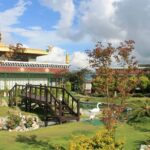

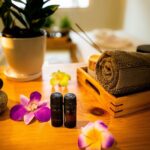
Meals, accommodation, and the comfort you need for real recovery
You should know what you are getting on the basic human stuff. The retreat includes three wholesome meals and luxurious accommodations. It also includes pick-up within Kathmandu, which saves time and reduces stress on arrival.
Because your schedule is early and full, meals are not just about taste. Food timing keeps you functional for yoga and treatments. Day 1 includes a lunch break at 1:00 PM, and Day 2 includes breakfast plus another lunch window at 2:00 PM. Day 3 includes breakfast and a closing lunch at 12:30 PM. Those regular rhythm points are what make the retreat feel like a program rather than a collection of appointments.
About the food itself: one guest described it as simple but delicious. That is often a good sign for a detox-and-reset style retreat. You are more likely to eat food that does not clash with the overall goal of calm and cleansing.
For accommodation, the listing calls it luxurious, but details like room size and bedding are not provided in the information here. So keep expectations broad: you can reasonably expect comfort, but you may want to double-check what is included at the time of booking if you care about specific amenities.
Practical comfort tip: pack light layers. Even if you are in Kathmandu, mornings and evenings can feel cool. You want to be able to warm up before yoga and still feel comfortable after the treatments.
Price and logistics: is $970 actually fair?
At $970 for roughly three days, you are paying for more than entry into a wellness center. You are paying for:
- daily yoga (morning sessions)
- a structured therapy schedule totaling 24 treatments
- three meals
- accommodation
- complimentary pick-up within Kathmandu
- a private format for your group
So when you break it down, the cost is mostly about time and staffing. You are not going to find that many guided sessions plus lodging and meals for a similar per-day rate if you book every component separately.
Where the value can wobble is personal fit. If you hate early starts or you do not want long therapy blocks, you might feel like you are paying a premium for intensity you would rather avoid. But if you want a clear, guided program where you do not have to plan anything besides showing up and resting, this price begins to make sense.
Logistically, it is also a simpler setup than many DIY retreats. Your start point is clearly listed at Ayurveda Health Home – Nagarjun Center, and the activity ends back at that same meeting point.
If you want, you can also lean on the fact that the center is near public transportation. That gives you a safety net if you need to step out briefly for something not included.
Who this retreat is best for (and who should think twice)
This experience is well suited for you if:
- you want a short, structured Ayurvedic program in Kathmandu
- you like yoga and you are comfortable starting early
- you want multiple therapy types across three days rather than one or two sessions
- you prefer a private group setup and included meals and lodging
You might think twice if:
- you want a very light, slow pace
- you are very sensitive to long blocks of bodywork
- you are traveling on a tight schedule with little buffer for recovery time
Also, it is described as most travelers can participate. Still, since this is a health-focused program, you should plan to ask questions if you have anything medical you need to consider. It is reasonable to check with the doctors on-site or clarify in advance what the program involves.
Should you book this 3-Day Ayurvedic retreat in Kathmandu?
If your goal is a reset that feels guided, I think this retreat is a strong choice. The combination of early yoga, a broad sensorial cleansing focus, and the variety of named therapies through Siro Dhara, head abhyanga, and herbal tub bath makes it more than a single-treatment vacation.
Book it if you like structure and you want to leave with a real sense of physical and mental recalibration. Skip it if you want spontaneity, long sleeping, or a schedule built around sightseeing breaks.
One smart move: plan at least a little breathing room in Kathmandu after your last lunch. Let your body finish the work. Even if you feel great on Day 3, you will usually get more out of the experience when you do not immediately rush into a full day of travel.
FAQ
Where is the retreat meeting point?
The retreat starts at Ayurveda Health Home – Nagarjun Center, Tarakeshwor-3, Kathmandu 44600, Nepal, and it ends back at the same meeting point.
How long is the experience?
It runs for 3 days (approx.), with sessions across each day from early morning through midday and lunch time.
What time does the program start each day?
Yoga sessions are listed around 6:30 AM to 7:30 AM each day.
What is included in the price?
The retreat includes multiple Ayurvedic treatments (24 rejuvenating treatments are mentioned), yoga, three wholesome meals, luxurious accommodation, and complimentary pick-up within Kathmandu.
Is it a private tour?
Yes. It is described as a private tour/activity, meaning only your group participates.
Do I need to bring a physical ticket?
No. The experience uses a mobile ticket.
What are the opening hours for Ayurveda Health Home?
The center is listed as open Monday to Sunday from 9:00 AM to 4:30 PM.
What is the cancellation policy?
Free cancellation is available. You can cancel up to 24 hours in advance for a full refund; cancellations made less than 24 hours before the start time are not refunded.