A cracked object becomes something new, and the process feels calming. In Kanazawa, this Kintsugi workshop has you finish a crafted ceramic piece using lacquer application and gold powder coating, guided by Rin Kiyose. The workshop is also described as mindful and grounding, with a slow, quiet feel in a restored kura workspace.
I like two things a lot here. First, you get real hands-on steps of the craft, not just watching. Second, the setting supports focus: dim light, wood-and-lacquer scent, and a gentle pace that’s meant to help you settle your mind. The one caution: the session is only about 1 hour 15 minutes, so if you want lots of time to experiment or chat at length, you’ll still need to work within the workshop flow.
Kintsugi Experience in Kanazawa-Craft, Mindfulness & Wellness: Key Highlights
- Gold powder + lacquer steps you do yourself on a prepared ceramic piece
- Rin Kiyose guides you as a fourth-generation successor tied to Kaga Maki-e
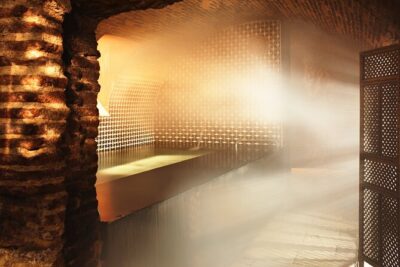
- Restored kura atmosphere: dim light, wood-and-lacquer scent, and quiet focus
- Small group size (max 6) means more time and attention
- Choose your souvenir: small plates or accessories
- Take-home result created through a centuries-old repair philosophy
In This Review
- The Kintsugi mindset you feel right away in Kanazawa
- Where it happens: IN KANAZAWA HOUSE and a restored kura
- Meet Rin Kiyose: fourth-generation craft energy with patience
- What you actually do: lacquer application and gold powder coating
- Your souvenir choice: small plates or accessories
- The calm, dim-light workflow that makes it feel like wellness
- Price and value: $143.08 for a guided take-home craft
- Logistics that matter: timing, group size, and how you get in
- Who this Kintsugi workshop is best for
- Should you book it: my quick decision guide
- FAQ
- How long is the Kintsugi workshop in Kanazawa?
- Where is the meeting point?
- What will I make during the workshop?
- What is the group size limit?
- Is this workshop suitable for beginners?
- How do I get my ticket?
- Can I get a refund if I cancel?
- Do I return to the meeting point after the workshop?
The Kintsugi mindset you feel right away in Kanazawa
Kintsugi is famous because it turns a repair into a visible design feature. What I like about how this workshop is set up is that it treats the craft as a mindset, not a gimmick. You’re working on a joint with lacquer and gold powder, so you’re actively shaping the line between broken and whole.
The other big reason this feels different is the pace. The workshop is described as mindful and relaxing, with silence and slow concentration. Even if you’re not into meditation, you’ll probably recognize the effect: fine work like brushing lacquer forces you to slow down and pay attention to your hands.
The session is also practical. You create a souvenir you can actually use or display, based on options you choose in the room. That matters because it makes the philosophy tangible: imperfection isn’t just an idea, it’s the look of your finished item.
Where it happens: IN KANAZAWA HOUSE and a restored kura
You meet at IN KANAZAWA HOUSE in Kanazawa (1-chōme-4-28 Hōsai, Kanazawa, Ishikawa 920-0862). The experience ends back at the same meeting point, so you’re not dealing with a long travel day stitched together from multiple stops.
The workshop setting is part of the value. You’ll be working in a restored kura, which is the kind of traditional warehouse-style structure you can recognize by its timber feel and character. The description emphasizes the scent of wood and lacquer, plus gentle dim light. That combination matters for two reasons:
- It makes concentration easier because the space feels focused, not noisy or rushed.
- It supports the sensory side of craft, so the lacquer-and-gold process feels like something you’re doing inside a real working tradition.
It’s also noted as near public transportation. That’s useful in Kanazawa, where the easiest plan is usually to base yourself centrally and let transit do the work.
Meet Rin Kiyose: fourth-generation craft energy with patience
Your guide is Rin Kiyose, described as a young artisan born into a family that has practiced Kaga Maki-e in Kanazawa for three generations, and now the fourth-generation successor. Even if you only catch a few details about that lineage, you can feel the intention behind the teaching: you’re working with a person who has craft in their family story, not just as a job.
What stands out in the tone of the experience is patience. The workshop is described as informative and supportive, with the teacher answering questions and offering a calm atmosphere even if you’re a first-timer. If you’re the type who worries you might mess up, this is the kind of workshop where nervousness can fade quickly because the guide sets a gentle pace.
There’s also an added bonus from the broader workshop setting. The hub is part of an arts space, and the owner may show you other artists’ work and even share an address for a paper shop that’s described as fabulous. That’s not the main event, but it turns your time into more than a single craft session.
What you actually do: lacquer application and gold powder coating
This is a hands-on Kintsugi finishing session. Your ceramic piece is prepared in advance by the artisan, and your job is to complete it through two steps:
- Lacquer application to the joint
- Gold powder coating to finish the line
That structure is great for first-timers because you’re not trying to start from scratch or figure out complex forming. Instead, you’re learning the key finishing moves that create the signature gold look.
Here’s what the guided process is likely to feel like, based on the workshop description. You’ll work under gentle light and in a quiet mood, focusing on small, careful movements. The lacquer step is about control and even coverage. Then the gold powder step is where the shimmer takes over, turning the repair line into the design.
The workshop also mentions authentic tools. Even if you don’t know what each tool is called, you’ll benefit from using the right implements for the right task. That’s where traditional craft training shines: it’s not just about materials, it’s about method.
One small practical note: since the piece is already prepared, you’ll get a clearer path to a satisfying result. You’re doing finishing work, which usually means better odds of leaving with a souvenir you feel proud to show off.
Your souvenir choice: small plates or accessories
Within the session, you can choose between a small plate or accessories. That choice matters more than it sounds, because it affects how you’ll live with your Kintsugi piece after the workshop.
- A small plate is a great desk or shelf object, and it’s the kind of thing that makes the workshop feel real every day.
- Accessories can be a good fit if you want something easier to pack and more personal.
Because your piece is finished through the lacquer and gold powder steps, your final souvenir will carry that gold line look that defines Kintsugi. And since you’re the one completing the last stages, the result is tied to your hands-on time.
The calm, dim-light workflow that makes it feel like wellness
The workshop is explicitly described as mindfulness and wellness. But how does that translate in real life?
You’re given a craft rhythm that naturally encourages presence: brushing lacquer, focusing on the gold shimmer, and working with less chatter. The environment is described as relaxed and quiet, which helps you stop multitasking and get into that narrow, satisfying focus zone.
This is one of those activities where “wellness” isn’t a separate add-on class. It comes from the craft itself. Fine motor work tends to slow your thinking down. Add dim light and silence, and you get a kind of guided pause that can feel grounding, especially if your travel days have been packed.
If you’re the kind of traveler who likes:
- creative hands-on activities,
- calm experiences that don’t require perfect skills, and
- cultural immersion that doesn’t feel like a lecture,
this fits really well.
Price and value: $143.08 for a guided take-home craft
At about $143.08 per person, this isn’t a budget activity. But you’re not paying only for a lesson. You’re paying for:
- guided finishing steps in a traditional technique
- expert support from Rin Kiyose
- the materials and tools involved in lacquer and gold powder work
- a finished take-home souvenir you helped complete
- a small group format (max 6), which usually improves the odds you get personal attention
The time commitment is also reasonable: about 1 hour 15 minutes. Craft workshops sometimes balloon into long days, especially when participants are learning everything from the beginning. Here, the piece is prepared by the artisan, so your time is focused on the signature steps that create the Kintsugi look.
If you’re comparing this to other craft experiences in Japan, I’d treat it as a premium souvenir experience. The value comes from quality of instruction plus a result you can actually keep.
One scheduling tip: the experience is commonly booked about 18 days in advance on average. If your trip dates are fixed, I’d book earlier rather than later.
Logistics that matter: timing, group size, and how you get in
The experience runs about 1 hour 15 minutes. That makes it a good fit for half-day planning. Because it starts and ends at the same meeting point, you won’t be juggling multiple locations.
Group size is capped at 6 travelers. For a craft session, that can change everything. Smaller groups usually mean:
- more room for questions
- more direct guidance during delicate steps
- less waiting around while others catch up
You’ll also receive a mobile ticket, and confirmation happens at booking time. It’s near public transportation, which helps you fit it into a day without needing taxis.
Who this Kintsugi workshop is best for
This workshop is a strong match if you want a cultural activity that doesn’t demand prior experience. Most people can participate, and the pace is designed to feel supportive.
You’ll probably enjoy it most if:
- you like hands-on crafts and want a souvenir with meaning
- you’re interested in Kintsugi as a philosophy of repair and acceptance
- you prefer calm, quiet learning over loud group tours
- you like small-group experiences with more teacher attention
It’s also a good choice if you’re traveling solo or in a pair, since the group is small and the setting encourages focus.
If you’re looking for a fast, photo-heavy activity to fill an afternoon, keep your expectations realistic. The workshop atmosphere is described as quiet and absorbing, and it’s the kind of session where people end up putting the phone away and just working.
Should you book it: my quick decision guide
Book this Kintsugi workshop if you want a hands-on craft experience with a calming, mindful mood and a take-home item that looks like Kintsugi should. The combination of Rin Kiyose’s guidance, the lacquer-and-gold finishing steps you do yourself, and the restored kura setting makes it feel worth the price.
Skip it only if you want a longer time window, lots of sightseeing, or a high-energy tour format. This is about the craft and the quiet process, not about covering multiple attractions.
If your goal is one memorable, meaningful cultural moment in Kanazawa that you can bring home, this is a smart pick.
FAQ
How long is the Kintsugi workshop in Kanazawa?
It lasts about 1 hour 15 minutes.
Where is the meeting point?
The meeting point is IN KANAZAWA HOUSE, 1-chōme-4-28 Hōsai, Kanazawa, Ishikawa 920-0862, Japan.
What will I make during the workshop?
You’ll complete a prepared ceramic piece using lacquer application and gold powder coating. You can choose between small plates or accessories.
What is the group size limit?
The experience has a maximum of 6 travelers.
Is this workshop suitable for beginners?
Most travelers can participate.
How do I get my ticket?
You’ll receive a mobile ticket.
Can I get a refund if I cancel?
Yes. Free cancellation is available up to 24 hours in advance for a full refund. After that point, the amount you paid is not refunded.
Do I return to the meeting point after the workshop?
Yes. The activity ends back at the meeting point.