REVIEW · SOUTHERN CHINA
7-Day TaiChi & Qigong Wellness Retreat in China
Book on Viator →Operated by 揭阳市揭东曲溪方圆文化交流中心 · Bookable on Viator
Tai chi and qigong are training, not just stretching. This 7-day retreat in Southern China pairs 20 hours of personalized practice with English teaching from high-level masters. I also like that it’s designed for real beginners, not yoga-flexibility heroes.
Two standout things: you’ll learn 8 Brocade Qigong plus 10 easy Tai Chi forms, and you also get cultural context through immersive workshops. One thing to consider: private transportation isn’t included, so you’ll want to plan around the pickup and local transit.
In This Review
- Key highlights at a glance
- The vibe: calm practice with real structure in Southern China
- Your training plan: 20 hours of personalized coaching (and what that means)
- Qigong and tai chi style: moving meditation with breath control
- What you’ll learn besides forms: theory, levels, and cultural context
- Meet your teachers: English instruction from Master Ping and team
- Where you stay 7 nights: comfort, meals, and a center-based rhythm
- Weekend flexibility: time to recover and explore
- Price and logistics: why $100 can be a serious value
- Who should book this retreat (and who might want something else)
- Should you book it? My honest take
- FAQ
- Is the retreat beginner-friendly?
- How long is the retreat?
- Is pickup included?
- What language is instruction in?
- How many hours of training do I get?
- What’s included in the price?
- What is not included?
- Is there a group size limit?
- Can I leave the center during the retreat?
- Is cancellation free?
Key highlights at a glance
- 20 hours of personalized training tailored to your goals
- Beginner-friendly program with no prior experience required
- English teaching by award-winning, high-level masters
- 7 nights accommodation + all meals included
- Weekend freedom to relax, regenerate, and explore
The vibe: calm practice with real structure in Southern China
This retreat is built for people who want to learn tai chi and qigong the way they’re meant to be learned: step by step, with mindfulness and breathing, and with movement that flows continuously from posture to posture. You’re not just practicing poses; you’re training body awareness and control.
I like that the program spells out the intent. Meditation, qigong, and tai chi all revolve around controlled breathing and mindful attention, and the coaching emphasizes how one posture connects to the next without pausing. That focus matters because it’s the difference between a memorized routine and a practice you can actually use.
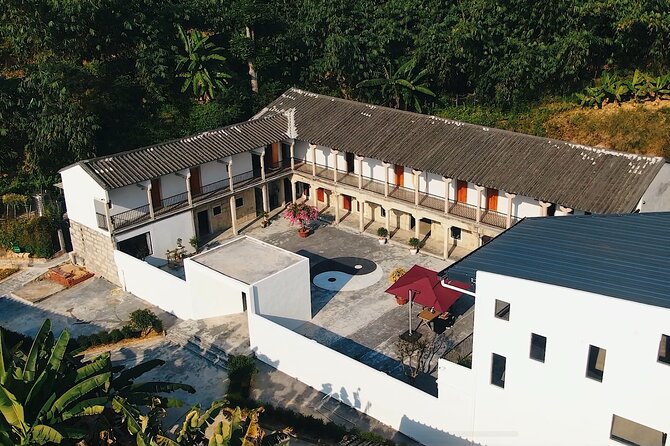
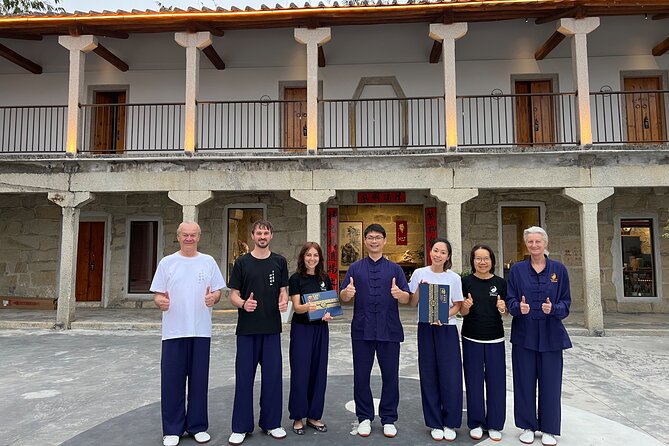
You’ll be based at a training center for 7 nights, with daily practice time and workshops that connect the physical work to Chinese culture. And because the group is capped at 10 travelers, the atmosphere stays close and coachable.
Your training plan: 20 hours of personalized coaching (and what that means)
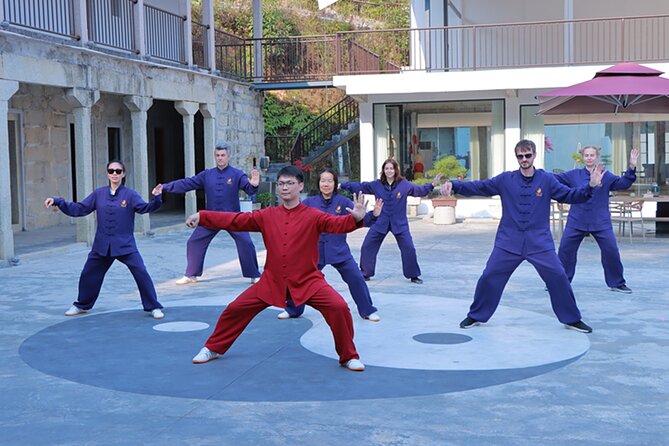
The big promise here is 20 hours of personalized training. In plain terms, that’s enough time for someone coaching you directly to correct your basics—stance, alignment, breathing rhythm, and the overall “feel” of the movement. For beginners, that’s huge. Tai chi and qigong are simple-looking, but they can be easy to do wrong.
The retreat also explicitly teaches:
- Qigong and tai chi history basics
- Body stretching techniques
- Eight Brocade Qigong
- 10 easy tai chi forms
- How levels and requirements work (so you know where you fit)
Even the way it’s framed supports beginners. You won’t be pushed into advanced material with zero foundation. Instead, you get a progression path and guidance on what to focus on so your practice continues after you leave.
Qigong and tai chi style: moving meditation with breath control
Here’s what to expect from the physical training itself. The retreat describes tai chi and qigong as ancient healing and mindfulness exercises. Practically, that shows up as:
- Mindfulness during movement, not only while sitting
- Controlled breathing integrated into postures
- Continuous flow, where one movement leads into the next
If you’ve tried tai chi before and it felt like slow dancing with vague instructions, this style should feel more grounded. The “flow without pause” focus helps you connect the dots between parts of the routine—so you can stop thinking “move A, then move B,” and start feeling the sequence as one continuous practice.
Also, the program includes stretching and body mechanics work. That’s important because tai chi and qigong tend to expose tight hips, rigid shoulders, and tension you didn’t notice until you asked your body to slow down and coordinate.
What you’ll learn besides forms: theory, levels, and cultural context
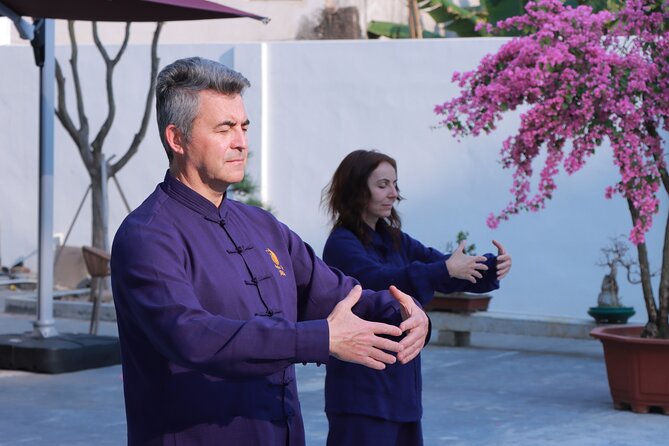
Learning the forms is only half the job. This retreat also includes workshops meant to connect the exercises to Chinese culture and thinking. You’ll get an introduction to the history of qigong and tai chi, plus practical discussion time with masters so you can understand what the movements are trying to cultivate.
There’s also a clear focus on levels and requirements. That can sound formal, but it’s actually reassuring. You’re not guessing whether you’re “doing it right” or accidentally skipping the steps that help long-term progress. You’ll know what foundation matters most and what tends to come later.
If you like to understand the why, this is a nice fit. The program isn’t only about repetition; it’s about comprehension—how the body and attention work together.
Meet your teachers: English instruction from Master Ping and team
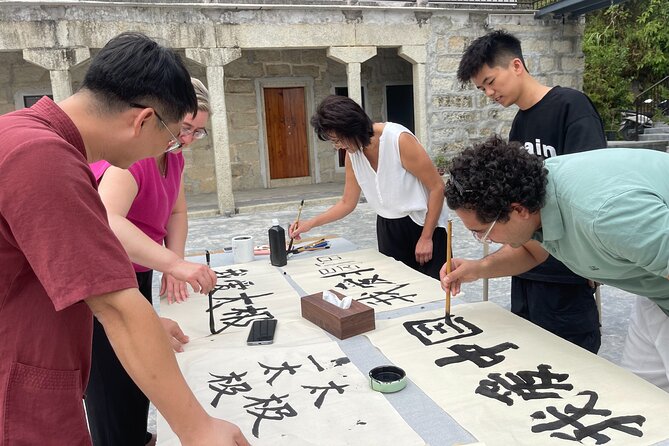
Teaching is in English, and the instruction is described as coming from award-winning, high-level masters. The standout name tied to the center is Master Ping, and the teaching atmosphere is described as warm and patient, with care that starts from pickup and continues through your stay.
That matters because tai chi and qigong require feedback. Small corrections—where your weight sits, how your breathing expands, whether your stance is stable—make the difference between feeling relaxed and feeling confused or tense.
So if English instruction is a priority for you (it should be, especially for beginners), this retreat has the right structure. You’ll be able to ask questions and get explanations, not just copied movements.
Where you stay 7 nights: comfort, meals, and a center-based rhythm
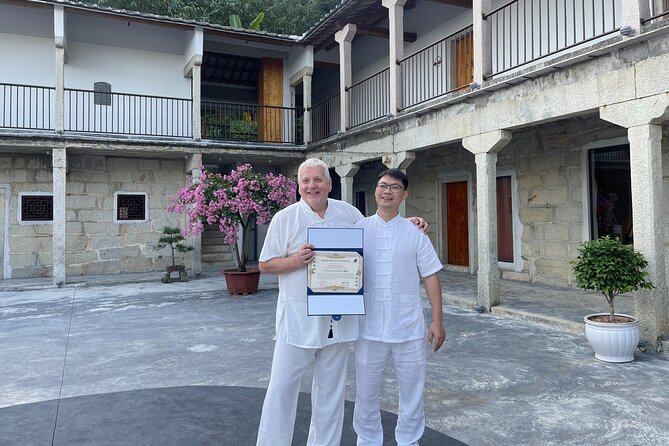
You’re getting 7 nights of accommodation at the center, plus breakfast, lunch, and dinner each day. For a retreat, that’s not a small detail. It means you can practice without turning every meal and transit moment into a separate mini project.
The retreat also includes all fees and taxes, which helps reduce the “what else will this cost me?” feeling. Food is listed as Chinese cuisine with a mix of your home comforts—so you should find options that won’t feel completely foreign, while still letting you taste local style.
The practical rhythm works like this: training time, workshops and discussions, then recovery. Some people join retreats expecting to be constantly active. This one aims for calm consistency—practice that builds without burning you out.
Weekend flexibility: time to recover and explore
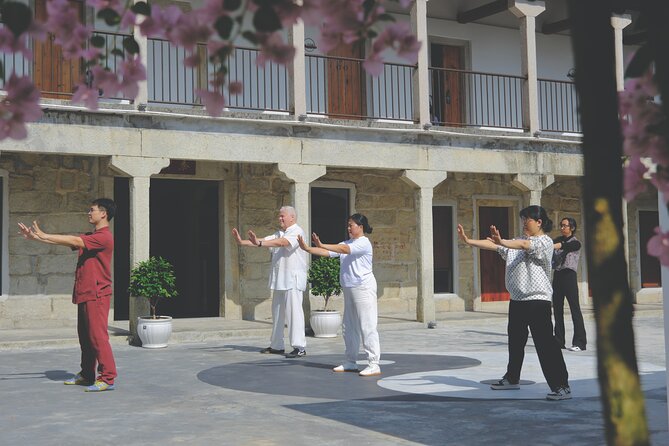
The retreat is designed around a center-based week of learning and mindfulness, but it also gives you a break: you can leave during the weekend to relax, regenerate, and explore local attractions, culture, and nature.
That’s a smart compromise. A full week sealed in a training bubble can be great for some people, but it can also get mentally heavy. Weekend freedom lets you reset your body and mind without losing the heart of the retreat—the structured training during the main days.
Just plan around what you want most:
- If you want pure practice time, keep your weekend light and simple
- If you want to see the region, use the weekend to do it at your own pace
Price and logistics: why $100 can be a serious value
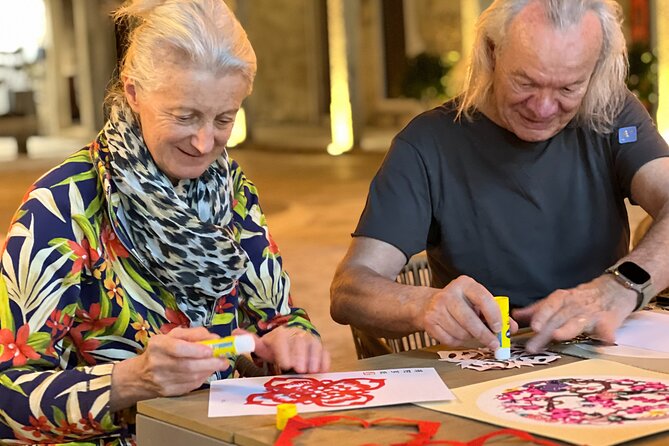
The listed price is $100 for the 7-day experience, and the inclusion list is unusually helpful for first-time retreat buyers. You’re getting:
- 7 nights accommodation
- breakfast, lunch, dinner
- all fees and taxes
- English instruction and workshop time
- pickup offered, plus mobile ticket
The one clear gap is private transportation. Still, pickup is offered, and the start point is the airport area—Jieyang Chaoshan Airport, with the meeting point tied to Rongcheng District, Jieyang. That combination makes the logistics far less stressful than some “figure it out yourself” retreats.
So how do you judge value? You don’t just look at the $100. You look at what’s included that usually costs extra elsewhere: lodging and meals. For a beginner, lodging + coaching is what you’re really paying for, and here those basics are handled.
Also, the group limit of 10 travelers is a value signal. Smaller groups usually mean more attention per person, especially when you’re learning technical movement.
Who should book this retreat (and who might want something else)
This retreat is for you if:
- You’re a beginner and want a guided start
- You want English instruction, not guesswork
- You’re interested in both practice and philosophy
- You like small-group learning and patient coaching
- You want accommodation and meals handled so you can focus
It might not be perfect if:
- You prefer a retreat with lots of sightseeing built in every day
- You want a fully independent travel setup (since private transport isn’t included)
- You dislike the idea of doing movement training daily
Should you book it? My honest take
If your goal is to learn tai chi and qigong with real coaching—plus a clear beginner path—this is the kind of retreat that makes sense quickly. The combination of 20 hours of personalized training, beginner-friendly forms, English teaching, and a center-based week with weekend flexibility is a practical recipe.
I’d book it when you want calm structure more than constant adventure. And if you’re recovering from stress (or you’re just tired of doing wellness routines that don’t stick), this format gives you a routine you can carry home.
If you’re the kind of person who loves learning by understanding the why behind the movements, the history and workshops will likely feel like part of the benefit, not extra fluff.
FAQ
Is the retreat beginner-friendly?
Yes. It’s for beginners with no prior experience needed. You’ll learn foundational techniques, stretching, and easy forms.
How long is the retreat?
It runs for 7 days (approx.).
Is pickup included?
Yes, pickup is offered. The meeting point is Jieyang Chaoshan Airport (Rongcheng District, Jieyang).
What language is instruction in?
Teaching is in English.
How many hours of training do I get?
You get about 20 hours of personalized training tailored to your goals.
What’s included in the price?
The retreat includes breakfast, lunch, dinner, and all fees and taxes.
What is not included?
Private transportation is not included.
Is there a group size limit?
Yes. The program has a maximum of 10 travelers.
Can I leave the center during the retreat?
You can leave during the weekend to relax, regenerate, and explore local attractions, culture, and nature.
Is cancellation free?
Yes. Free cancellation is available up to 24 hours in advance for a full refund.